
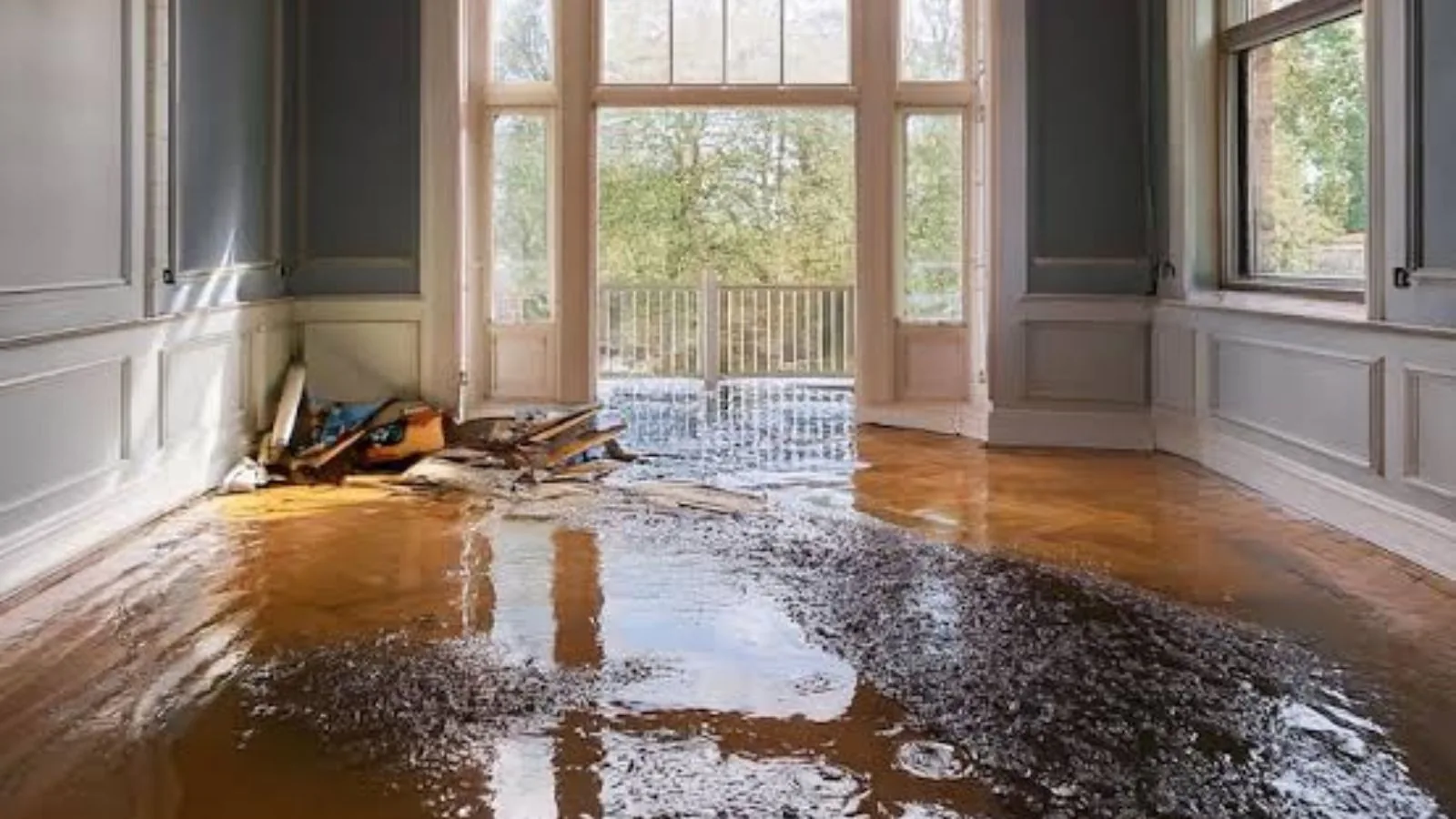
Flood damage cleanup in Sandusky, OH is more than removing water. Flood water arrives from outside the plumbing system, so it can carry soil, bacteria and chemicals into the building. The first priority is safety, the second is speed, and both start with a call to the 24/7 line.
While you wait, stay out of standing water if you can, switch off power only from a dry panel, and move valuables to higher ground. Photograph the water line on walls before anything is moved, because the height matters for your insurance conversation.
When flood water is an emergency
Call at once if any of these are true. Water is still entering the house. It is more than a few inches deep. It looks dark, muddy or smells like sewage. It has reached outlets, a furnace or a water heater. Anyone in the home has health conditions, is pregnant or is very young.
Sandusky sits on Lake Erie at the mouth of Sandusky Bay, and the Sandusky River runs into the bay near the city. The National Weather Service in Cleveland documents major regional flooding events, including the June 2006 flash floods, when Erie County was among six Ohio counties declared major disaster areas. Your own flood risk depends on your address, so check the FEMA flood map.
| Category | Typical source | Usual handling |
|---|---|---|
| Category 1 | Clean supply line or a freshly broken pipe | Extract and dry, most materials can stay |
| Category 2 | Washing machine drain, dishwasher overflow, aged water | Extract, remove porous materials, clean and dry |
| Category 3 | Surface flood water, sewage, river or bay water | Extract, remove porous materials, disinfect and dry |
| Rising from the ground | Heavy rain, high water table, overland flow | Treated as Category 3 until a professional says otherwise |
What the cleanup involves
Crews wear boots, gloves and respirators when working in contaminated water. Water comes out through pumps and extractors. Carpet, pad, insulation and drywall that soaked in Category 3 water are usually removed, since they cannot be reliably cleaned.
What stays gets cleaned, treated and dried with air movers and dehumidifiers, following the same approach as structural drying. If the flood entered from below, see basement water damage. If it came with a heavy storm, the storm water damage page covers wind and rain entry through the roof and walls.
Flood water and electricity
Do not walk through water that may touch outlets, cords or a panel. If the basement is flooded and the panel is down there, stay upstairs and call the electric utility or 911 for guidance. Do not stand in water to flip a breaker.
Gas appliances such as a water heater or furnace that sat in flood water need to be checked by a qualified technician before use.
Insurance and flood water: read this before you call your insurer
Most homeowners policies cover sudden plumbing failures but exclude flood. The Ohio Department of Insurance advises that flood coverage is bought separately and usually has a waiting period. Your policy language decides what counts as flood and what counts as other water, so read it or call your agent.
Water category definitions come from ANSI/IICRC S500, the published industry standard. Ask whether the company you hire works to it.
For waterfront buildings at the eastern edge of downtown, see Battery Park for what is on the ground and what is only planned.
What shapes the cost of flood damage cleanup
Flood work is priced by the contamination level and the amount of material that has to be removed.
- Water category
- Category 3 water needs protective gear, disinfection and disposal.
- Water depth and area
- A deeper or wider flood affects more walls and flooring.
- Materials removed
- Insulation, carpet, pad and lower drywall are common removals.
- Drying time
- Dense materials such as plaster, concrete and hardwood dry slowly.
- Rebuild scope
- Removed materials need replacing once the structure is dry.
Because flood is usually excluded from homeowners policies, ask your insurer which water events your coverage includes before assuming. Keep photos, a list of damaged items and every receipt.
☎ Want your real number? Call (567) 406-9153Calls from Huron and surrounding towns come through the same dispatch line, described on the Huron water damage page.
Flood damage questions from Sandusky homeowners
Yes. Storms and surges do not wait for business hours, so the dispatch line is open 24 hours a day. Same-day response is available when crews are free.
Usually not. The Ohio Department of Insurance notes that flood insurance is typically not included in most homeowners, renters and business policies and must be bought separately, with a waiting period that usually applies before coverage begins.
Check your policy and ask your agent which kind of water your coverage includes.
Treat it as contaminated until proven otherwise. Water from the ground, a storm drain or a surface flood carries soil, bacteria and chemicals. That is why porous materials that stayed wet are usually removed rather than dried.
Small, shallow events with clean water can be a DIY job. When water is deep, dark or has touched electrical systems, protective gear and proper disposal matter, and it is safer to call.
Use the FEMA Flood Map Service Center and enter your address. The city building division can also tell you what rules apply to your property.
Flood water inside your home?
The 24/7 line is open now. Tell dispatch where the water entered and whether the power is off.