
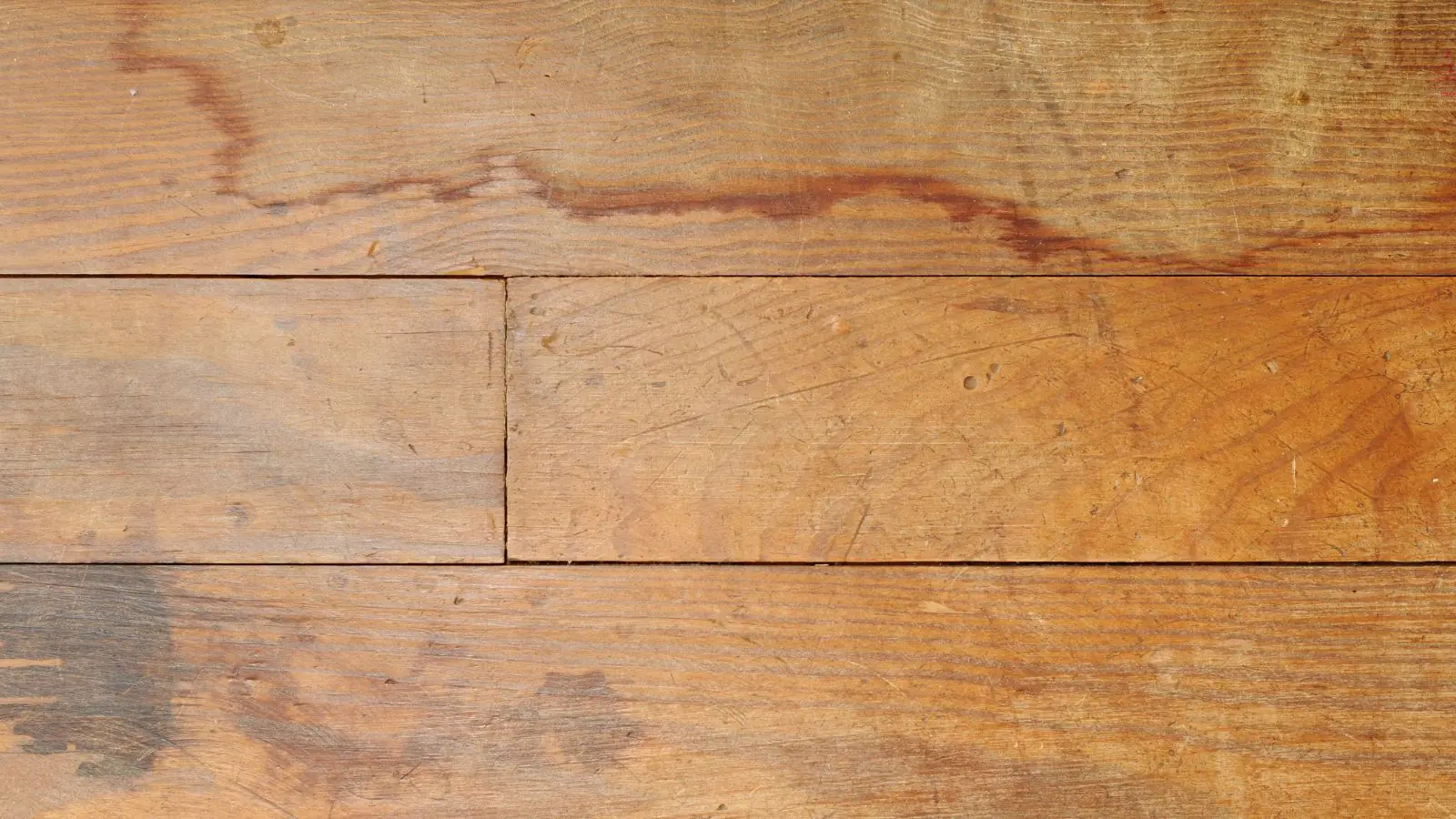
Wood floors change shape when they take on water. Hardwood floor water damage repair in Sandusky, OH starts with the same question after every leak: can the planks dry flat, or have they moved too far? The answer depends on how fast the water was removed and how the drying is managed.
If your wood floor got wet, take up rugs and furniture legs that hold moisture against the planks, wipe the surface and call. Do not seal the floor with wax or polish, and do not run a heater near it, which can dry the top faster than the bottom.
Cupping, crowning and buckling: what each means
| What you see | What it means | Outlook |
|---|---|---|
| Cupping: edges higher than centers | Moisture beneath or in the bottom of the plank | Often flattens after controlled drying |
| Crowning: centers higher than edges | Floor dried too fast or was sanded while wet | May need sanding once stable |
| Buckling: planks lift off the subfloor | Heavy moisture, usually from a flood or long leak | Often replacement, depending on extent |
| Gaps between boards | Wood shrank after drying | Usually cosmetic, can be treated later |
Where floor water comes from
The usual culprits are a failed washing machine valve, a dishwasher or refrigerator line, a leaking HVAC condensate line, a plumbing leak under the floor and storm water entering at a door. Some callers describe a walnut floor that began to cup after a condensation line backed up for some time.
Because the source changes the repair, we check it early. Appliance failures are covered in appliance leak water damage, and cooling line leaks in AC leak water damage.
How wood floors are dried
The crew removes standing water, then measures the planks and the subfloor with a moisture meter. Specialized floor drying equipment pulls moisture out of the boards while air movers and dehumidifiers control the room. Some drying systems use mats or small vents to dry under the surface.
Drying wood takes patience. Pushing it too hard can lead to splitting or crowning. The goal is to bring the planks back to the same moisture level as dry wood in the rest of the house, following the approach in structural drying and dehumidification.
When to dry, when to sand and when to replace
Once the wood is dry and stable, a mild cup can be corrected by sanding and refinishing. Buckled or delaminated planks, or boards that stayed wet long enough to darken or rot, are usually replaced. Matching new boards to old ones is a finish decision as much as a repair one.
Remember that water may be in the subfloor and underlayment too. If the floor needs to come up, the crew will tell you before it does. A wet wall base that wicked upward is addressed through wall and drywall repair.
Hardwood is a dense material, and ANSI/IICRC S500 treats drying it as its own challenge. Ask any company whether its crews work to that published standard and how it will log readings on your boards.
Slip and electrical safety on wet floors
Wet wood is slick, so wear shoes with grip and keep children and pets out of the room.
Do not run power strips or portable heaters across a wet floor, and cut power only from a dry position.
What shapes the cost of hardwood floor water damage repair
Wood floors range from a simple drying job to a partial replacement.
- Species and finish
- Solid wood, engineered wood and laminate behave differently.
- How long the floor was wet
- Early drying gives wood the best chance to recover.
- Area
- More square footage means more equipment and finishing.
- Subfloor condition
- Wet subfloor adds drying time and sometimes repair.
- Refinishing or replacement
- Sanding, staining and board replacement come after drying.
Sudden water events are often covered by homeowners insurance, while slow leaks are commonly excluded. Ask what your policy says about flooring, and keep photographs of the floor before and after.
☎ Ask about your floor: Call (567) 406-9153Wood floors in Huron homes can be assessed by the same crews, as described on the Huron page.
Hardwood floor water damage questions from Sandusky homeowners
Cupping happens when the bottom of a plank takes on more moisture than the top, so the edges rise. It is often caused by a leak, a wet subfloor or a humid space below, and it can appear days after the water event.
Often yes, if water is removed quickly and the wood is dried under controlled conditions. Planks that were wet for days, or that have buckled or separated from the subfloor, are harder to save.
A moisture reading and a look at the subfloor decide.
No. Wood needs time to stabilize after drying, and sanding too early can lock in a distorted shape. Wait until moisture readings are steady and the planks have settled, then ask about refinishing.
Laminate often swells at the edges when wet and rarely returns to its original shape. Engineered wood has a top layer of real wood over plywood and may dry better than solid wood, but it depends on the product and the exposure.
Sudden events such as a washer hose failure are often covered, while slow leaks are commonly excluded. Ask your insurer and photograph the floor before any removal.
Wood floor wet or warped?
Call dispatch to have the boards read with a moisture meter. Moisture readings tell the crew whether drying can save the floor.