
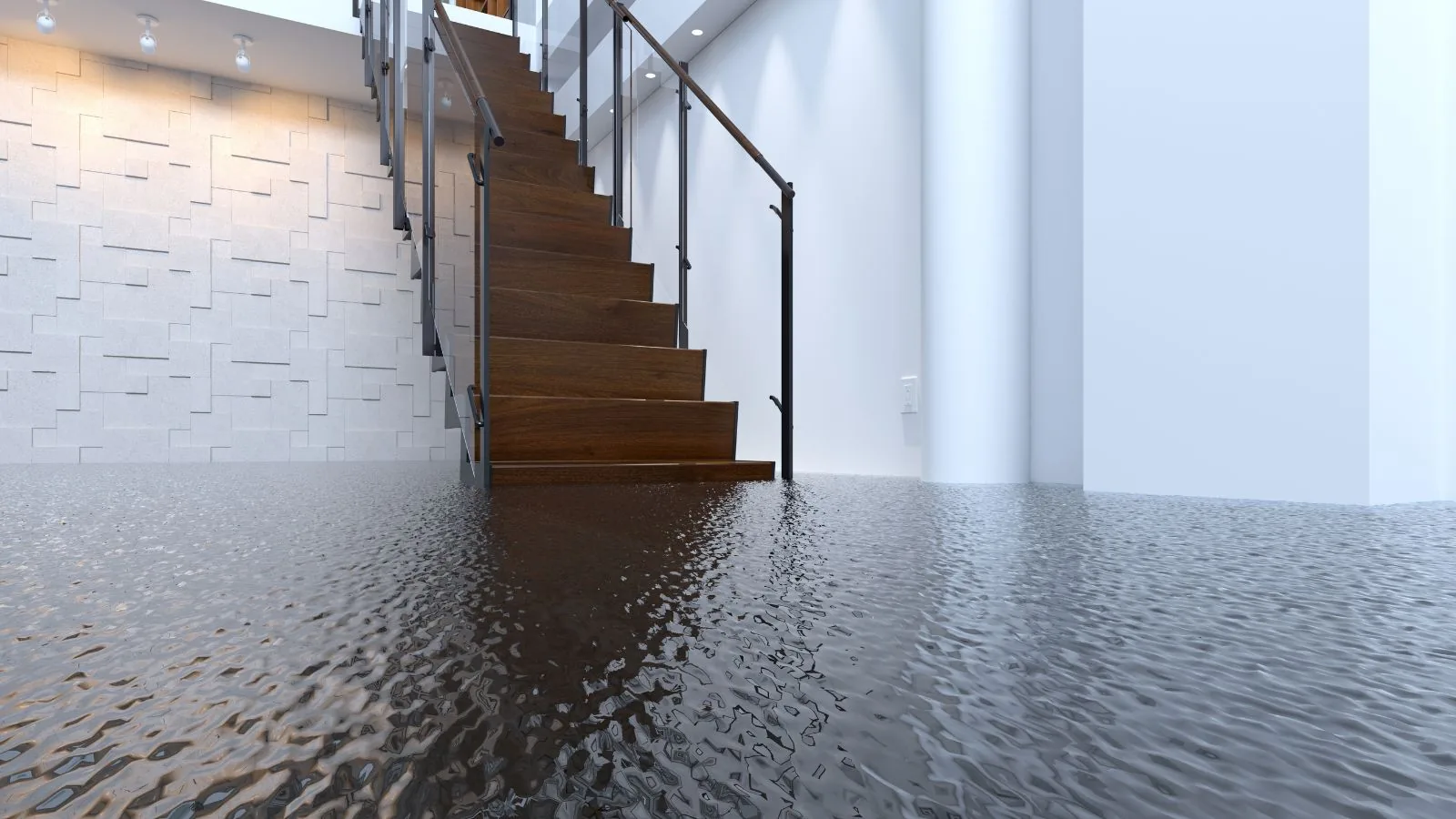
A commercial water loss is a business problem as much as a building problem. Commercial water damage restoration in Sandusky, OH means getting water out, protecting inventory and records and shortening the time your doors stay closed. Call the 24/7 line the moment the loss is found.
While you wait, shut off the water at the main valve if you know where it is, keep staff and customers out of wet areas and move inventory, files and electronics off the floor if it is safe. Photograph the damage before anything is moved.
When a business water loss is an emergency
A small leak in a back room may wait for an assessment, but these situations should not: water on a sales floor, water reaching electrical equipment or a server closet, water running into adjoining units, a failed fire sprinkler line or a loss with no visible source.
Electrical and safety checks in commercial buildings
Commercial electrical systems can carry high loads. If water has reached panels, switchgear or equipment, keep everyone out and call the electric utility or 911 before you call restoration. Do not use plugged-in tools in standing water.
Why commercial water jobs differ from home jobs
Commercial buildings have larger footprints, more finishes and more stakeholders. A leak in one suite can reach a neighbor. Flooring may be concrete, carpet tile or commercial vinyl. And the cost of lost business often outweighs the cost of the repair itself.
| Issue | What the crew does | What you do |
|---|---|---|
| Downtime | Plans work to reopen areas in phases | Decide which areas must reopen first |
| Inventory and records | Protects or relocates contents | Photograph stock, list high-value items |
| Multiple units | Checks and documents adjoining spaces | Tell the landlord or property manager |
| Insurance documentation | Provides moisture logs and photos | Contact your carrier early |
How a commercial loss is handled
The crew starts with water extraction, then maps moisture through floors, walls and ceilings. Equipment is staged so that high-traffic areas can reopen as soon as readings allow. Drying follows the approach in structural drying and dehumidification.
If the loss came from a storm, see storm water damage. A sewage issue is handled under sewage backup cleanup, and a broken supply line follows burst pipe water damage.
Sandusky buildings and what to confirm locally
Sandusky has a mix of downtown buildings, waterfront properties and highway-side commercial centers. Water routes differ by building type, so confirm your own situation with your property manager. The City of Sandusky Building Division enforces the State of Ohio building, plumbing and mechanical codes, and a larger repair may require a permit.
Building owners and shop operators in the original downtown blocks can read how that plays out on the downtown Sandusky page.
What shapes the cost of commercial water damage restoration
Commercial jobs are scoped to the building, not to a standard house.
- Size of the loss
- Square footage affected drives equipment and labor.
- Building materials
- Concrete, carpet tile, drywall and ceilings dry differently.
- Hours and access
- Working around operations affects scheduling.
- Contents
- Inventory and equipment may need pack-out or protection.
- Rebuild scope
- Finishes, ceilings and fixtures are restored after drying.
Commercial policies vary, and business interruption coverage is a separate piece of many of them. Ask your carrier which parts of your loss are covered, and keep drying logs and photographs.
☎ Plan your loss response: Call (567) 406-9153Commercial properties in Huron can use the same line. The Huron service page lists the nearby towns we cover.
Commercial water damage questions from Sandusky businesses
Yes. A loss after closing time or on a Sunday is still urgent, so dispatch is open around the clock. Same-day help is possible depending on crew availability, and after-hours work can be arranged around your operations.
In many cases, yes. Crews can schedule noisy or disruptive work for off hours, set up barriers around customer areas and keep part of the building open when it is safe.
Water often moves between units. The crew checks adjoining spaces, documents each affected unit and coordinates drying so one tenant’s repair does not leave a neighbor wet.
Move it off the floor and out of the affected area if it is safe. Photograph everything before it is moved, and keep records for your insurer. Electronics near water should be unplugged only from a dry outlet.
Commercial property policies often cover sudden water losses, and some include business interruption. The terms vary widely, so check your policy and call your carrier early.
Water loss at your business?
Dispatch is open around the clock. Call, describe the building and the damage and the crew plans for your hours and your tenants.