
Storms push water into places rain alone would not reach. Storm water damage cleanup in Sandusky, OH covers water that enters through a damaged roof, a gap around a window, a failed seal or siding that wind loosened. Call the 24/7 line once it is safe, and note anything leaking while you wait.
Stay off the roof. If you can do it safely from inside, place buckets under drips and move furniture and electronics away from wet ceilings and walls. Do not flip switches in rooms with dripping light fixtures.
Storm water coming in: what to do right now
- Stay away from windows during high wind.
- Keep buckets or towels under active drips.
- Move furniture, rugs and electronics away from wet areas.
- Photograph exterior and interior damage for your records.
- Call the 24/7 line and, for the roof or windows, a roofer or glazier.
- Keep receipts for emergency repairs.
How rain gets into a house during a storm
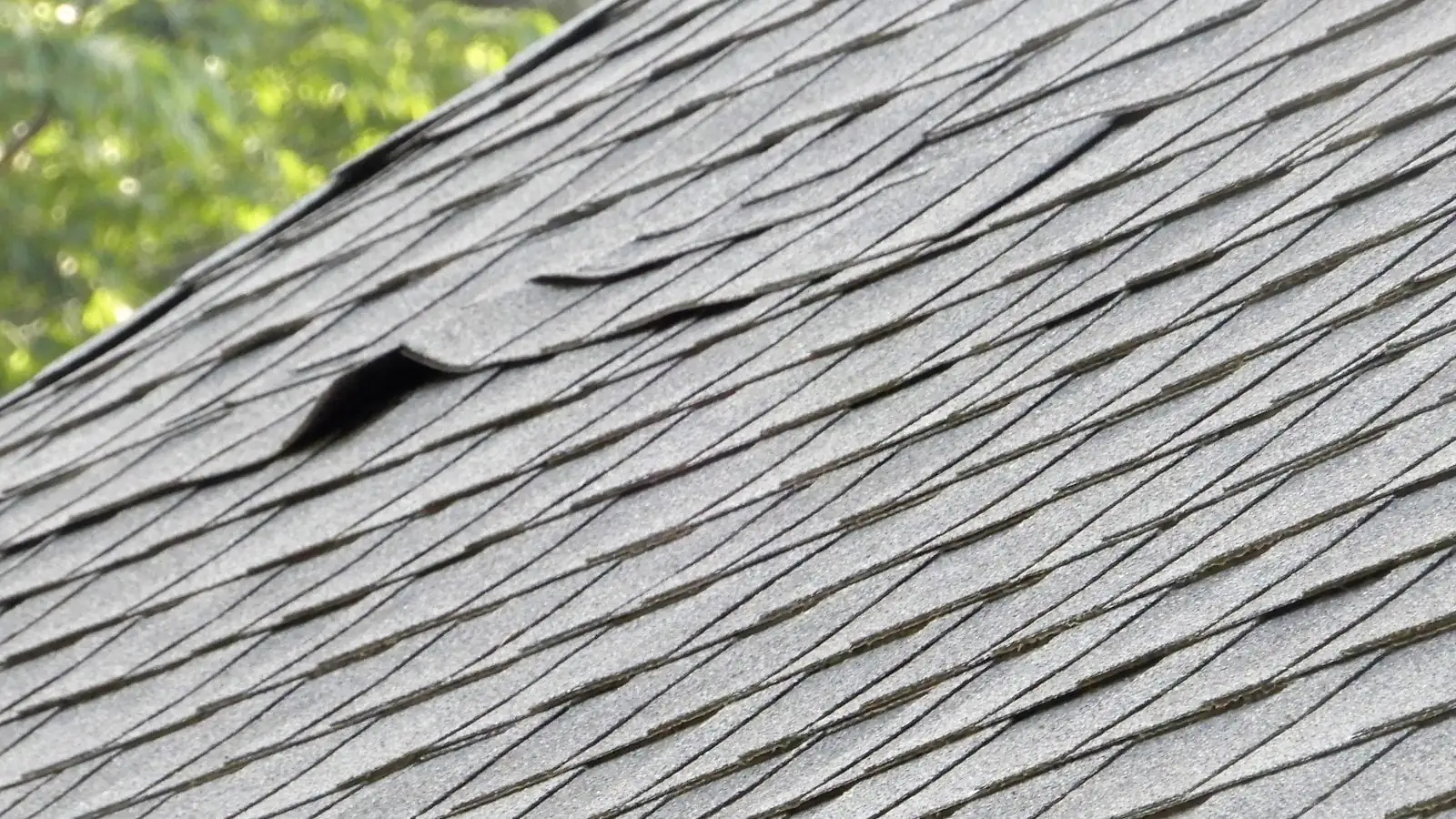
Wind pushes rain sideways, up under shingles and around window frames. Lifted shingles, damaged flashing, loose siding, cracked window seals and blocked gutters all create paths. Water enters, runs along framing and shows up somewhere else.
| Entry point | Water ends up in | Check |
|---|---|---|
| Lifted or missing shingles | Attic, ceiling, upper walls | Insulation and ceiling readings |
| Window seals and frames | Wall cavities, window sills, floors beside the window | Wall base and sill moisture |
| Loose siding or flashing | Exterior walls, kitchen and bath walls | Interior wall readings |
| Clogged gutters and downspouts | Fascia, soffit, basement | Eaves, foundation drainage |
Storm water versus flood water
This page covers rain and wind that enter through the roof and walls. Water that rises from the ground or overland is flood water, handled under flood damage cleanup. The distinction matters for safety and for insurance, because the two are treated differently.
The National Weather Service in Cleveland issues forecasts and warnings for this part of the Lake Erie shore. Check its alerts before a storm and keep the dispatch number somewhere easy to find.
How the interior is dried after a storm
The crew checks the ceiling, attic access, window walls and exterior wall bases with a moisture meter and thermal imaging. Wet insulation and drywall are removed if they cannot dry. Air movers and dehumidifiers finish the job, with daily readings.
A wet ceiling follows ceiling water damage repair, and wall moisture follows wall and drywall repair. Drying uses the process in structural drying and dehumidification.
What shapes the cost of storm water damage cleanup
Storm cleanup is priced by what the water reached, not by the storm.
- Entry point
- Roof leaks often affect insulation and ceilings, window leaks affect walls.
- Time before drying
- Water that sat for days affects more material.
- Materials affected
- Insulation, drywall, plaster and flooring dry differently.
- Contamination
- Rain that mixes with attic debris may need extra care.
- Rebuild scope
- Interior repairs follow the roofer or glazier’s exterior repair.
Roof or wind damage that lets rain in is often covered, while flood is typically excluded. Photograph the exterior and interior damage and call your insurer early.
☎ Report your storm loss: Call (567) 406-9153The same line takes calls from Huron and nearby towns, covered on the Huron page.
Storm water damage questions from Sandusky homeowners
Yes. Storms often hit after dark, so dispatch is open around the clock. Same-day help is possible when crews are free, and call volume after a big storm can affect timing.
Wind and hail damage to a roof is commonly covered, and so is rain entering through that damage. Water that rises from the ground is flood, which is typically excluded. Check your policy and ask your agent.
Only if you can do it from the ground or a stable position. Do not climb onto a wet or damaged roof. A tarp installed by a roofer is a common temporary fix and can be documented for your insurer.
Yes. Wind-driven rain can enter around windows, siding seams and flashing. The water may show up as a stain, a soft spot or a musty smell weeks later.
Take photos of the exterior damage, the interior water and any damaged belongings. Note the date and time, and keep estimates and receipts for temporary repairs.
Storm water in the house?
Call the 24/7 line. A crew dries the interior while you arrange roof or window repairs with the right trade.