
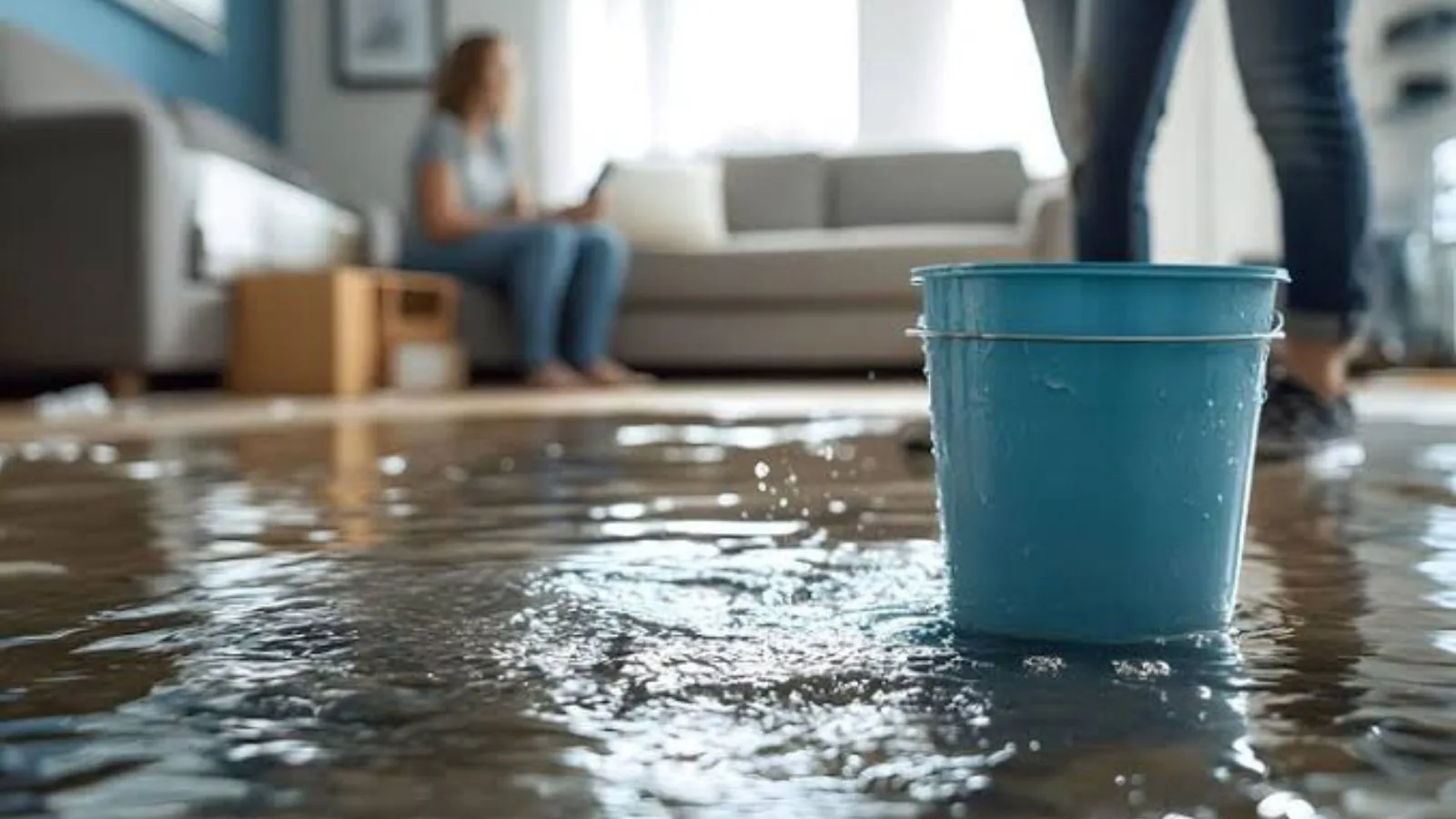
This is emergency water extraction in Sandusky, OH, and the clock matters. Water on a floor spreads sideways into baseboards, down into subfloors and up into drywall by wicking. Our 24/7 line answers at any hour, so call first and read the rest while the crew is being arranged.
While you wait, stop the source if you can reach the shutoff valve, then keep people and pets out of any room where water touches outlets, cords or power strips. Lift small valuables onto counters and pull rugs off wet floors. Do not run a household vacuum or any plugged-in tool in standing water.
When standing water is an emergency
Not every wet floor needs a pump, but these situations should not wait for morning:
- Water covering a floor and reaching baseboards in any room
- Water in a basement that is still rising or has already soaked carpet
- Water near outlets, a panel, a furnace or a water heater
- Dark, cloudy or foul-smelling water, which points to sewage backup or flood contamination
- Water that has been sitting for a day or more, because wet materials give mold the moisture it needs
EPA guidance on mold and moisture says water-damaged areas should be dried within 24 to 48 hours to prevent mold growth. Extraction is the first and fastest part of meeting that window.
Electrical and gas safety comes before the water
If water touches an outlet, panel or appliance, do not wade in. Cut power at the breaker only if you can reach the panel while standing on dry ground. If you cannot, call the electric utility or 911 before you call us.
If you smell gas, leave the house and call 911 from outside. Water extraction can wait until the building is safe.
How extraction removes the water
The method depends on depth and surface. Deep water goes first with a submersible pump, then the floor is worked with extractors that pull water out of carpet and pad. Hard floors get squeegees and a dry vacuum so nothing is pushed into seams.
| Situation | Typical method | What it leaves behind |
|---|---|---|
| Several inches of water on a basement floor | Submersible pump, then wet vacuum for the remainder | Damp concrete and wet drywall edges to dry |
| Soaked carpet and pad on a first floor | Weighted extractor over the carpet, pad lifted if it will not release water | Wet subfloor under the pad |
| Water across tile, vinyl or sealed wood | Squeegee and dry vacuum along seams | Water trapped under planks or in baseboard gaps |
| A thin film that has soaked into drywall | Surface extraction plus wall cavity checks | Moisture inside the wall, found with a meter |
What comes after the water is gone
Extraction removes the water you can see. It does not dry the building. Once the standing water is out, moisture readings guide a drying plan with air movers and dehumidifiers, which is covered under structural drying and dehumidification.
If the water came from a failed supply line, the burst pipe page explains the repair sequence. If it rose from the ground or a storm, the flood damage page covers contaminated water, and soaked flooring is handled in carpet water damage.
Where Sandusky water usually goes
Homes close to Sandusky Bay and the Sandusky River sit on low ground, and a heavy rain can push water into a basement through a window well or floor drain. Check your own situation against the FEMA flood map for your address, and ask the city building division what applies to your block.
Inside the house, water follows gravity and then the building. A leak on the second floor often shows up first as a stain on the ceiling below, so a wet ceiling can mean there is water to extract on the floor above. Crews check both levels before they call a room dry.
What shapes the cost of water extraction
Extraction is priced by the work involved, not by a flat figure, so the dispatcher asks a few questions before anyone drives out.
- Water category
- Clean, gray and contaminated water need different handling, protective gear and disposal.
- Depth and area
- More square footage and more depth mean more pumping and more passes with extractors.
- Materials involved
- Carpet pad, insulation and drywall holds more water than tile or sealed concrete.
- Access
- A finished basement with furniture takes longer to clear than an open one.
- Drying that follows
- Extraction usually leads into drying days, which are scoped separately.
On insurance, sudden and accidental water damage is often covered by a homeowners policy, while slow leaks and neglect often are not. Flood damage is usually excluded and needs separate flood coverage. Check your policy or ask your insurer, and take photos before anything is moved.
☎ Want your real number? Call (567) 406-9153Neighbors in Huron can reach the same line, and the Huron water damage page explains how that service area works.
Water extraction questions from Sandusky homeowners
Yes. The dispatch line runs 24 hours a day, every day of the year, and a late-night call is treated the same as a weekday one. Same-day response is offered when crews are available, and the dispatcher will tell you plainly what to expect when you call.
A shop vacuum can lift a puddle off a hard floor, but it will not pull water out of carpet pad, wall cavities or a subfloor. Those layers hold far more water than the surface suggests.
If water is deeper than an inch or touches outlets, stay out and call. Electric tools and standing water are a poor mix.
Not always. Clean supply-line water is the least risky, but water that crossed a floor, a basement drain or a yard picks up bacteria and dirt. Wear boots and gloves, and treat any dark or smelly water as contaminated until a professional says otherwise.
Moisture meters and thermal imaging find water behind baseboards and under flooring. If readings stay high after the surface water is gone, the crew moves to air movers and dehumidifiers so the hidden moisture does not linger.
Lift what you can do safely: small items onto counters, rugs off wet floors, books and electronics out of the room. Leave heavy furniture alone. A crew can block and pad it without risking your back.
Water still on the floor?
Dispatch answers around the clock. Describe the room, the depth and the source, and the crew plans the pumps and extractors before arriving.