
The question people ask first about a wet house is how long it will take to dry. The honest answer is that it depends on what was wet, how wet it got and how well the drying is managed. Some jobs reach dry readings in three or four days. Others take a week or more. This guide explains what controls the timeline for a Sandusky, OH home, so you can understand the number you are given.
What drying actually involves
Drying is a physical process: water leaves a material as vapor, the vapor enters the air and the air has to be removed or dehumidified. If the air is already humid, it cannot take more water, and drying stalls. That is why a closed-up house with a few fans can stay damp for weeks, while a house with air movers and dehumidifiers dries in days.
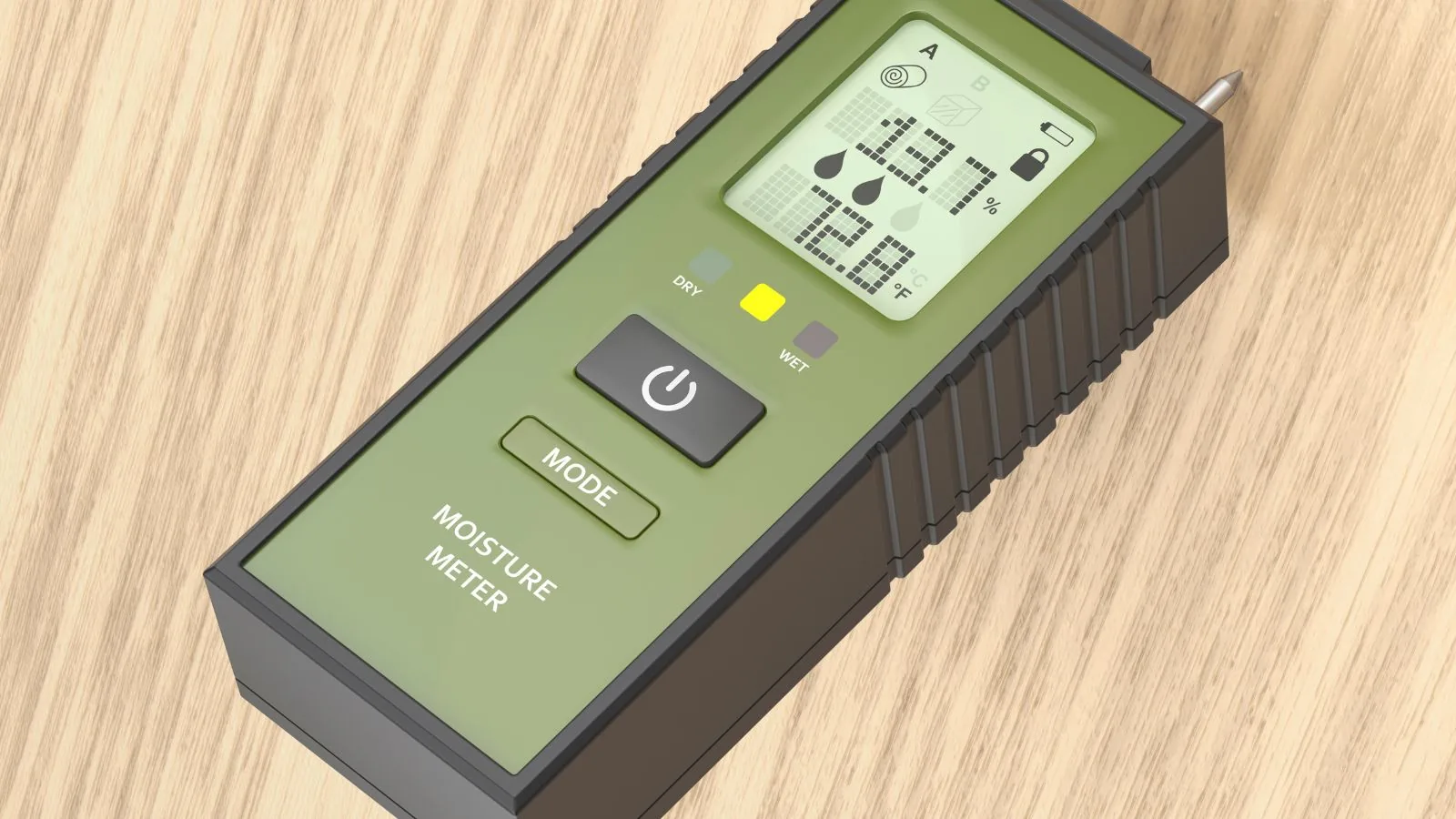
Crews use air movers to push dry air across surfaces, dehumidifiers to pull moisture out of the air and moisture meters to track progress. The details are covered on the structural drying and dehumidification page.
What changes the timeline
| Factor | Effect on drying time |
|---|---|
| Material density | Dense wood and concrete hold water longer than drywall or carpet |
| Water category | Contaminated water means removal of porous items first, which resets the job |
| How long it sat wet | The longer the delay, the deeper the water travels |
| Area affected | More rooms and floors need more equipment and more monitoring |
| Hidden cavities | Water inside walls, under floors or in ceilings dries slowly without access |
| Humidity and weather | Humid summer air slows drying, so dehumidifiers matter more |
| Equipment placement | Poor placement leaves wet pockets that restart the clock |
Because these factors vary, any exact number promised before a crew sees the building is a guess. Be cautious if someone gives a fixed number of days without measuring first.
A typical sequence
- Day 0: extract standing water and take the first moisture readings.
- Day 1: place air movers and dehumidifiers, open wall cavities if needed and record baseline readings.
- Days 2 to 4: monitor daily, adjust equipment and remove materials that are not drying.
- Final visit: confirm that readings reach the dry reference and remove equipment.
This is a pattern, not a schedule. A crew adjusts equipment as the readings change, and some jobs finish earlier or later. The key is that each step is checked against numbers rather than appearances.
Why surface dryness is misleading
A floor can feel dry while the subfloor beneath it is wet. A wall can look fine while the cavity holds saturated insulation. Dry-feeling surfaces tempt people to turn off equipment too early, and then the moisture that remains starts to cause trouble. EPA guidance says water-damaged areas should be dried within 24 to 48 hours to prevent mold growth, so the first two days matter most, even when the full job takes longer.
Signs drying is not finished
- A musty smell that returns after equipment is removed
- Baseboards that cup or paint that bubbles days later
- Readings in the wet area still higher than a dry reference
- Condensation on windows in a closed room
- Floors that feel cool and damp compared with similar areas
What you can do to help
- Leave doors to wet rooms open so air can move
- Keep windows closed while dehumidifiers run
- Do not turn off equipment, which a crew has placed on purpose
- Keep the thermostat steady, since heat helps drying
- Move belongings out of wet rooms so they do not rewet
If the crew removes drywall, insulation or flooring to reach wet cavities, that step speeds drying and prevents hidden damage. The rebuild comes after the building is dry, as described on the wall and drywall page and hardwood floor page.
Local note for Sandusky and Huron
Summer along Lake Erie can be humid, and humid air slows drying. In those months, dehumidifiers do most of the work. In winter, cold outdoor air is dry but heating a house costs more, so equipment runs on a balance of temperature and humidity.
Basements and crawl spaces in older Sandusky and Huron homes can hold moisture longer than upper floors. See crawl space water damage for a closer look. Calls from either town reach the same line, as described on the service area page and the Huron page.
When to ask for the numbers
Ask your crew for the readings each day and the dry reference they are using. Ask when equipment will be removed and what the final reading will be. If drying drags on, the next step is not to wait. It is to ask what is still wet and why. A clear explanation of the answer is a sign that the job is being managed.
If you need to talk about your own situation, call the 24/7 line. Scope and price are explained before work starts, and the dispatcher can explain how drying is measured on your kind of loss.
Questions about drying time
Water has to leave the materials, not only the surface. Dense materials such as wood framing and concrete release moisture slowly, and the air has to carry it out. The process is measured, not guessed.
A crew compares moisture readings in wet areas with a dry reference of the same material. Drying is done when readings reach that reference, not when a certain number of days has passed.
Household fans move air but do not remove moisture well. Without dehumidification, the water just moves from one place to another. Professional equipment controls temperature and humidity together.
Yes. Air movers and dehumidifiers run continuously and add heat to the space. That is part of how drying works, and it usually lasts a few days.
Questions about your job?
Call the 24/7 line and ask how drying is measured.