
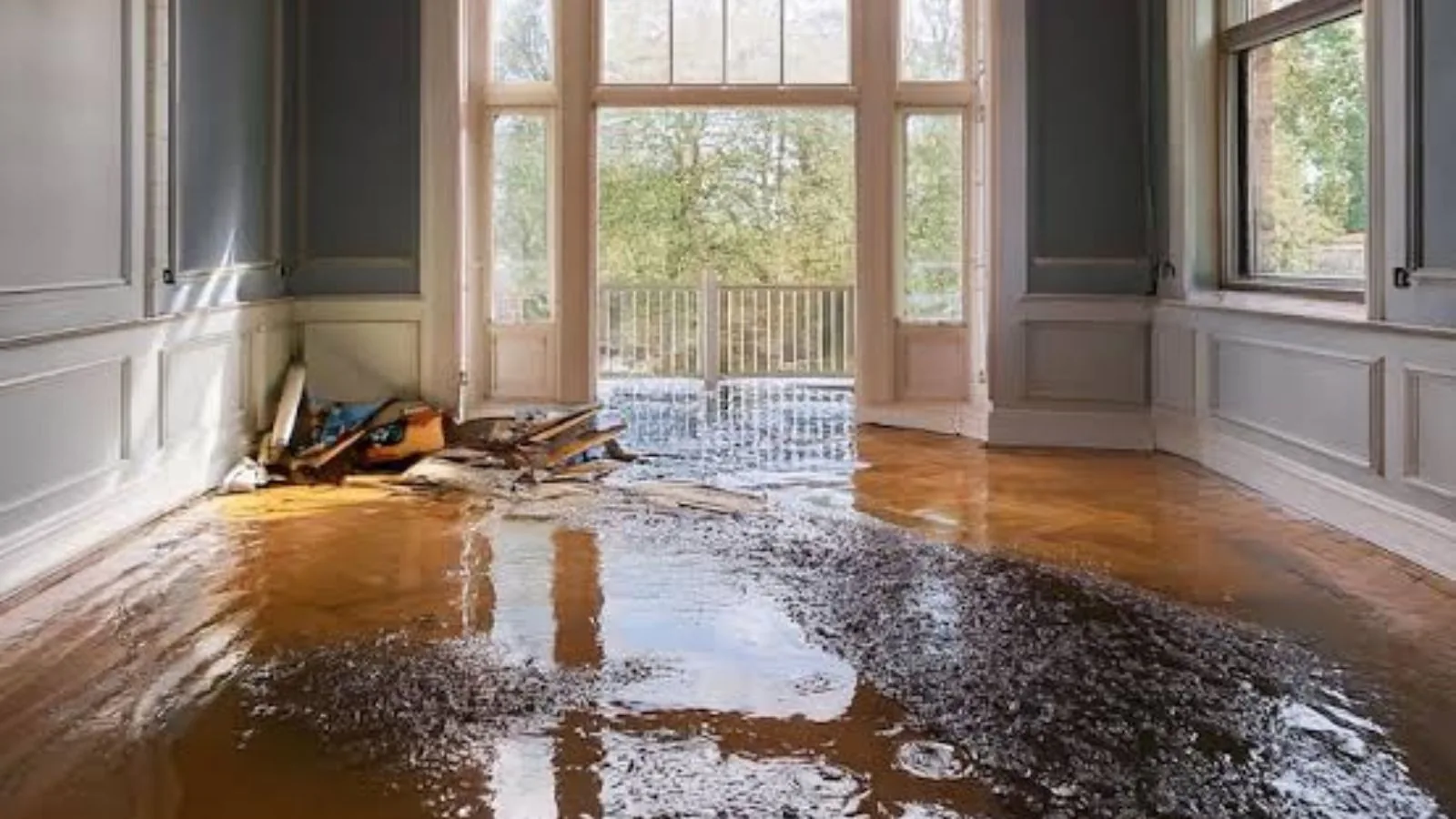
Everyone asks what water damage restoration costs, and almost no one gets a satisfying answer on the phone. That is not evasion. Two floods of the same size can cost very different amounts, because the work depends on the water, the materials and the time. This guide explains what sets the price in Sandusky, OH, so you can read a scope and ask better questions.
We do not publish a price list or a flat rate. Scope and price are explained before work starts, based on what the crew finds.
The factors that set the price
| Factor | How it affects the price |
|---|---|
| Water category | Sewage and flood water need protective gear, disposal and disinfection, so they cost more than clean water |
| Affected area | More rooms and floors mean more labor and more equipment |
| Materials | Carpet pad, insulation and drywall hold water and may need removal, while tile and concrete usually do not |
| Time before response | Delay lets water spread and soak deeper, which lengthens drying |
| Drying days | Equipment is used for days, and dense materials take longer |
| Access | Hidden cavities, tight crawl spaces and multi-story homes add labor |
| Rebuild scope | Replacing drywall, flooring and trim is separate from mitigation |
Look at the table as a set of questions to ask. If a quote does not mention these factors, you cannot tell what you are paying for.
Mitigation and rebuild are different
Mitigation is the emergency work that stops damage from growing: extraction, drying, removal of unsalvageable materials and cleaning. Rebuild is the repair of what was removed: new drywall, paint, flooring and trim. They are often priced separately, and they happen at different times. Mitigation starts right away. Rebuild starts after the structure is dry.
Separating them lets you compare quotes fairly. It also lets you use a different contractor for the rebuild if you choose to, though many people keep it in one place for convenience. Ask what is included in each part before you agree.
How scope can change
Scope is the list of work to be done. It can change once walls are opened or readings come in. Wet insulation behind a baseboard, a subfloor that stayed damp or an extra room that tests wet can expand the job. Ask for any change to be explained with readings or photographs. A fair company is glad to show you why.
Questions that keep a quote honest
- What water category is this, and why?
- Which rooms and materials are in the scope?
- How many days of equipment are expected, and how is that tracked?
- What happens if drying goes longer than planned?
- Which items are mitigation and which are rebuild?
Cost and insurance
Many homeowners filing a claim pay a deductible and let the insurer cover the rest, within policy limits and exclusions. Sudden pipe bursts are often covered, while flood and slow leaks often are not. The Ohio Department of Insurance notes that flood insurance is typically bought separately. If you are weighing whether to file, remember that a small job may cost less than your deductible.
A restoration company can supply photographs, readings and equipment logs for your claim, but your insurer makes the coverage decision. Be cautious about any company that promises approval. For more on documenting a loss, read the page on water extraction and the pages that describe your type of loss in the services index.
How cost differs by type of loss
A small appliance leak that is caught quickly can need a few hours of extraction and a short drying period. A burst pipe that runs overnight in a finished basement can involve extraction, carpet removal and several days of drying, which is described on the burst pipe page. A sewage backup adds protective gear and disinfection, which is explained on the sewage backup cleanup page.
Commercial jobs add other costs, such as working around business hours and protecting inventory. The commercial water damage restoration page describes how those jobs are planned.
Local note for Sandusky and Huron
Older homes in Sandusky and along the lakeshore can have plaster walls, original hardwood and cut-in plumbing, which makes access and rebuild more specific to each house. Permits for rebuild work may be needed from the City of Sandusky building division or the City of Huron, and a company should be able to say which apply.
The same pricing approach applies in both places. See the service area page and the Huron page for coverage details.
Red flags in a quote
- A lump sum with no breakdown or scope
- A price that changes without readings or photos
- Requests for full payment before work begins
- A promise that insurance will pay all of it
- Pressure to sign before the damage has been assessed
A prepared company explains the factors, shows its measurements and puts the scope in writing. If you want to talk through how your own job would be priced, call the 24/7 line.
Questions about cost
The water category, the area, the materials and the drying time all change the work. A dispatcher can describe how pricing works, and a crew sees the damage before a price is explained.
It varies. Many jobs are priced by the work performed, including extraction, equipment days and materials removed. Ask how your job will be billed before work starts.
Not always. Your policy sets what is covered, your deductible comes out of any payment and some items are excluded. Your insurer decides, and the restoration company cannot promise approval.
Yes, if more damage is found, such as wet insulation inside a wall. A good company explains why the scope changed and shows the readings or photos that support it.
Need a scope and price?
Call the 24/7 line. The dispatcher explains how your job would be priced.