
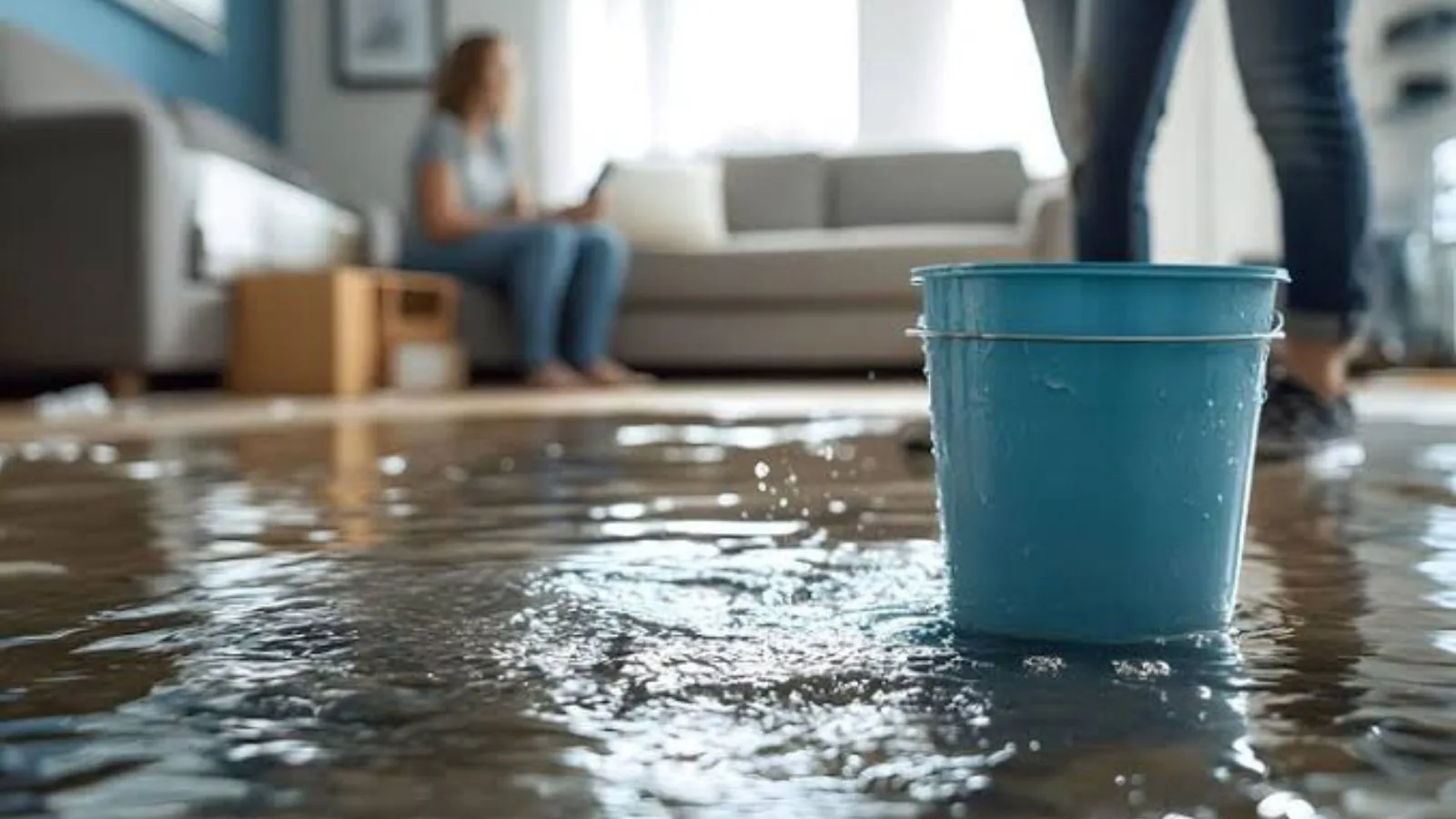
When water is spreading through your house, there is not much time to shop around. The phone rings, a crew shows up and decisions get made fast. That pressure is exactly why a few questions, asked early, are worth more than any reputation you can look up later. This guide gives Sandusky, OH property owners a short list of questions and a way to read the answers.
We run a dispatch line for this work, so we are not neutral. The point is to help you compare any company, including any company you reach through this line, using things you can check rather than slogans.
Question 1: Are they licensed and insured?
Ask for proof of liability insurance and check any license requirements that apply to the trades involved. Restoration touches plumbing, electrical and drywall, and the rules differ by trade. A company should be comfortable showing a certificate of insurance. If a request for proof gets a vague answer, treat that as information.
Question 2: What standard do the crews follow?
The published industry reference is ANSI/IICRC S500. It sets out how water is classified, how drying is planned and how progress is measured. You do not need to read it. You only need to ask whether the crews work to it and whether the person can explain, in plain words, what that means for your job.
Question 3: How is the water classified?
The category of water decides what can be saved. Clean supply water is treated differently from washer discharge, and both are treated differently from sewage or flood water. A good answer names the category, explains why and says what that means for carpet, drywall and insulation. The categories are explained in more detail under flood damage cleanup.
Question 4: What equipment will be used, and how will drying be measured?
Expect air movers, dehumidifiers, moisture meters and often thermal imaging. The important part is measurement. Ask how many readings will be taken, how often and against what dry reference. Drying finishes when the structure reaches that reference, which can take longer for dense materials. The reasoning is explained on the structural drying page.
| What you hear | Prepared | Risky |
|---|---|---|
| Price | Explained before work starts, with the factors named | A single number with no scope behind it |
| Drying | Daily readings against a dry reference | A fixed number of days promised up front |
| Contract | Written scope you can read and question | Pressure to sign on the spot |
| Insurance | Records you can share, no promise of approval | Promises that your claim will be paid |
| Rebuild | Separate from mitigation, clearly described | Everything bundled so you cannot compare |
Question 5: How do they explain price?
Water damage cost depends on the water category, the area, the materials and how long drying takes. A company that explains those factors before starting is easier to hold accountable than one that states a number first. If a figure changes mid-job, ask what changed. A good answer points to new readings or newly found damage.
Question 6: What do they document for your insurer?
Photographs, moisture logs and equipment records support a claim. Ask what the company keeps and whether you receive copies. Be cautious if anyone promises that your claim will be approved. Coverage is your insurer's decision, and no restoration company controls it.
Question 7: Who answers the phone?
This sounds small. If water is on the floor at 2 a.m., you need a person, not a voicemail. Call the number before you need it and see what happens. A dispatcher should ask about the source, the rooms involved and whether anything electrical is wet, and should give you safety steps while the job is arranged.
Warning signs to watch for
- Pressure to sign a contract before anyone has seen the damage
- Door knockers who say they were nearby and noticed your storm damage
- A refusal to explain the scope or the price factors
- Requests for full payment up front
- A promise that your insurer will cover everything
Check the scope against the type of loss
Different losses call for different skills. A sewage backup needs protective gear and disinfection. A burst pipe needs fast extraction and careful drying around hidden cavities. A commercial building adds business interruption and tenants. Browse the services index to see how each kind of loss is described, and compare that to what a company tells you on the phone.
Also ask what the company does not do. Restoration is separate from plumbing repair, roofing, HVAC service and mold remediation. A company that says it does everything is worth a closer look.
Local note for Sandusky and Huron
Sandusky and Huron have a mix of older and newer buildings, from the Kilbourne Plat blocks near downtown to newer houses along the lakeshore. Ask the City of Sandusky building division or the City of Huron which permits apply to repair work, and confirm that anyone you hire knows when one is needed.
You can also confirm that a company serves your town before you call. The service area page lists Sandusky and nearby towns, and the Huron page covers calls from the east.
A short script for the first call
Write the questions down and read them straight off the page. State your address, say what happened and then ask about standards, drying measurement, price factors and documentation. Compare answers rather than tone. The company that explains clearly, does not rush you and tells you what it does not do is usually the one worth hiring.
Questions about hiring a restoration company
Call both, but do not delay emergency work. Stop the source, then call a restoration company to begin extraction. Tell your insurer the same day, and keep records of what was done.
Not by itself. A low number can hide missing equipment, skipped drying days or a scope that grows later. Compare what each quote includes, how drying is measured and how changes are handled.
Generally you may choose your own contractor. Insurers may offer a list, but the choice is yours. Ask your insurer to confirm how your policy handles it.
Ask for moisture readings that compare wet areas against a dry reference. Drying ends when the readings reach the dry standard, not when a set number of days has passed.
Ready to ask your questions?
Call the 24/7 line and put the checklist to us. A person answers.