
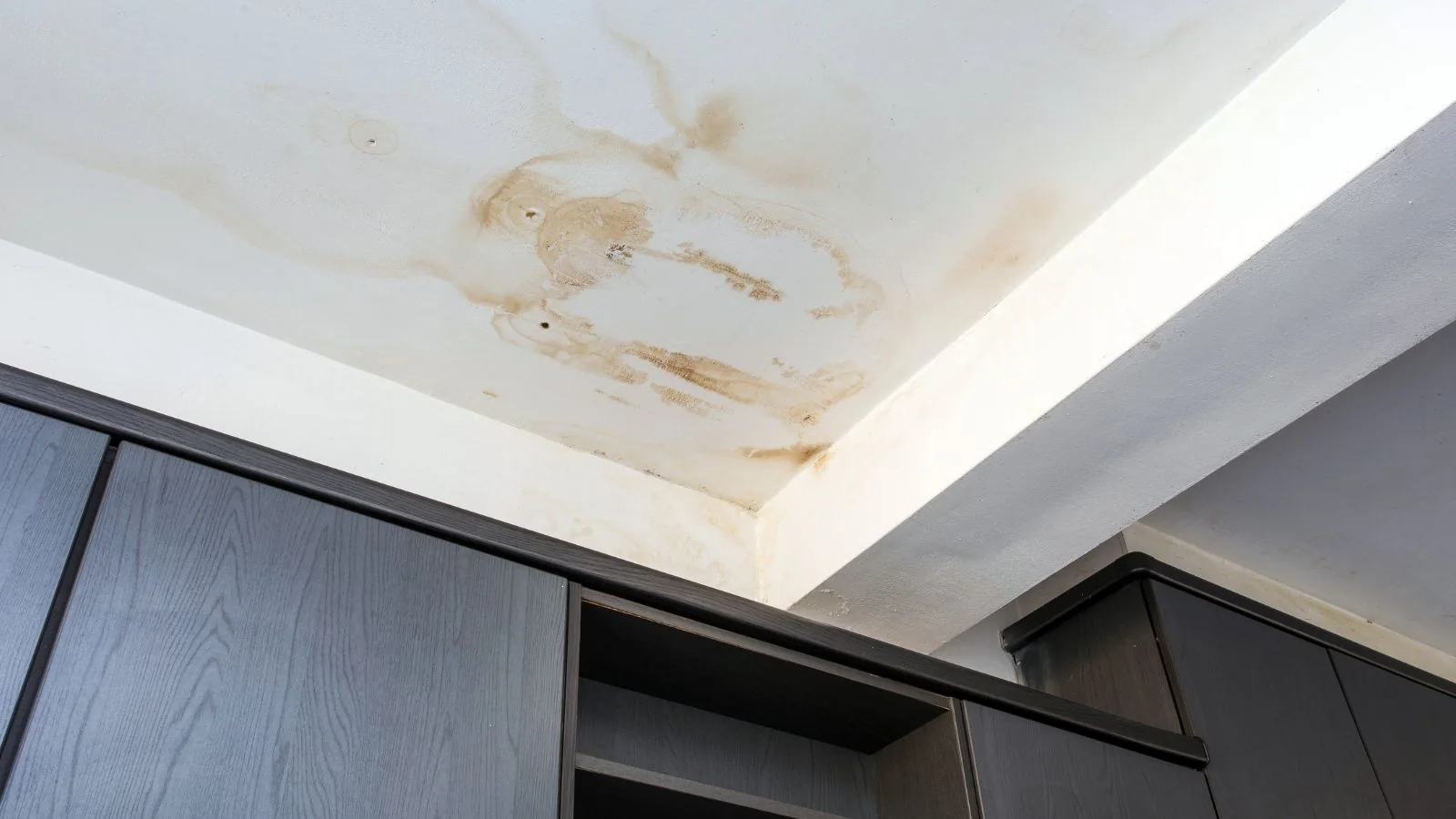
A stain on the ceiling or a soft spot on the floor raises one question right away: is this still happening? The answer decides everything that follows. Old damage that is dry may need only cosmetic repair, and active damage needs the source stopped and the structure dried. This guide covers the signs that help Sandusky, OH homeowners tell the difference, and why a measurement beats a guess.
Signs that damage is new or active
- Surfaces that feel damp, cool or soft to the touch
- Fresh, dark stains with soft edges that grow over days
- Dripping, or a sound of water inside a wall or ceiling
- Paint or wallpaper that is bubbling and wet underneath
- A musty smell that is new
- Water on the floor, or a rising water bill with no explanation
Active leaks tend to change. A stain that spreads after a shower, a rain or a run of the dishwasher means the source is live. If a surface is wet at all, the problem is current regardless of what the stain looks like.
Signs that damage is old
- Dry, brittle surfaces and stains with hard, defined edges
- Brown or yellow rings with darker lines at the edges, left by repeated wetting
- Rust on fasteners, pipes and metal brackets
- White mineral crusts on masonry or concrete
- Warped boards that have stayed warped and are dry
- Paint that has already peeled, flaked and dried
Old damage still has consequences. Rot, rust and mold can continue in a dry-looking space, and hidden materials may have decayed. A dry stain also tells you where a leak once was, which is a hint for where to look.
| Sign | Likely new or active | Likely old or inactive |
|---|---|---|
| Touch | Damp, cool, soft | Dry, hard, brittle |
| Stain edges | Soft, spreading | Sharp, ringed, unchanged |
| Smell | Fresh, damp odor | Stale or none unless mold present |
| Metal | Wet fasteners, fresh rust | Heavy rust and scale |
| Change over days | Grows after water use or rain | Stays the same |
| Moisture reading | Higher than a dry reference | Equal to a dry reference |
Why guesses fail
Appearances mislead. A leak can stop and start, so a dry stain may be an intermittent problem. A wet-looking spot might be condensation, which is a humidity issue and not a leak. Fresh paint can hide an ongoing leak for months. Repeated wetting adds layers to a stain, and you cannot read a date from it.
The reliable test is measurement. A moisture meter reads the water content of drywall, wood and concrete. A thermal camera shows cooler wet areas. Compared to a dry reference, the readings show whether a surface is wet. Take readings again after rain or after running the fixture above to see if the numbers change.
A quick home check
- Mark the edge of the stain lightly with a pencil and date it.
- Check it after a rain and after running the nearby fixtures.
- If the stain grows or feels damp, the source is active.
- If it stays the same, still ask for a reading before painting over it.
Common sources of intermittent leaks
Many "old" stains come from leaks that only happen sometimes. A roof that leaks in wind-driven rain, a shower pan that seeps when used, a window seal that fails in storms and a condensate line that clogs in humid weather all fit. For ceilings, see the ceiling water damage repair page, and for walls, the wall and drywall page.
If the stain is under a bathroom or a kitchen, a plumber may need to check supply and drain lines. A restoration crew handles the water and drying side, and a plumber or roofer handles the source. Often you need both.
Local note for Sandusky and Huron
Older Sandusky and Huron houses may have multiple layers of repairs and paint, so a stain can sit on top of earlier ones. Lake-effect weather puts roofs and window seals through freeze and thaw cycles that cause intermittent leaks. Ask the City of Sandusky building division or the City of Huron about permit history on an older property you own or plan to buy.
The service area page lists the towns we cover, and the Huron page covers the east side of the line.
What to do next
If the area is wet, stop the source if you can, start water extraction and call the 24/7 line. If it is dry, still get a reading, then decide on repairs. Do not paint over a stain until you know whether it is active, and do not assume dry means safe. A short check now is cheaper than opening a ceiling later to find a long-running leak.
If the damage is hidden behind a finished surface, a crew can use a meter and a thermal camera without cutting anything. If readings are high, they explain what is wet and why, and the scope and price are explained before work starts. Keep your own notes too: the date you first saw the mark, what the weather was doing and which fixtures were in use. Those details help a crew narrow down where the water enters.
Questions about old and new damage
Yes. A dry stain may be old and harmless, but it can also mark a leak that comes and goes. A moisture reading after rain or after water use shows whether it is active.
Often. Each wetting cycle can leave a ring as water evaporates and leaves minerals behind. Several rings suggest repeated events.
Only temporarily. If the source is not fixed and the material is not dry, the stain will bleed through, and the hidden damage will continue.
No. A dehumidifier collects water from the air, not from a leak. It tells you the space is humid, which is a separate problem.
Wondering if it is still leaking?
Call the 24/7 line. A reading can answer the question.