
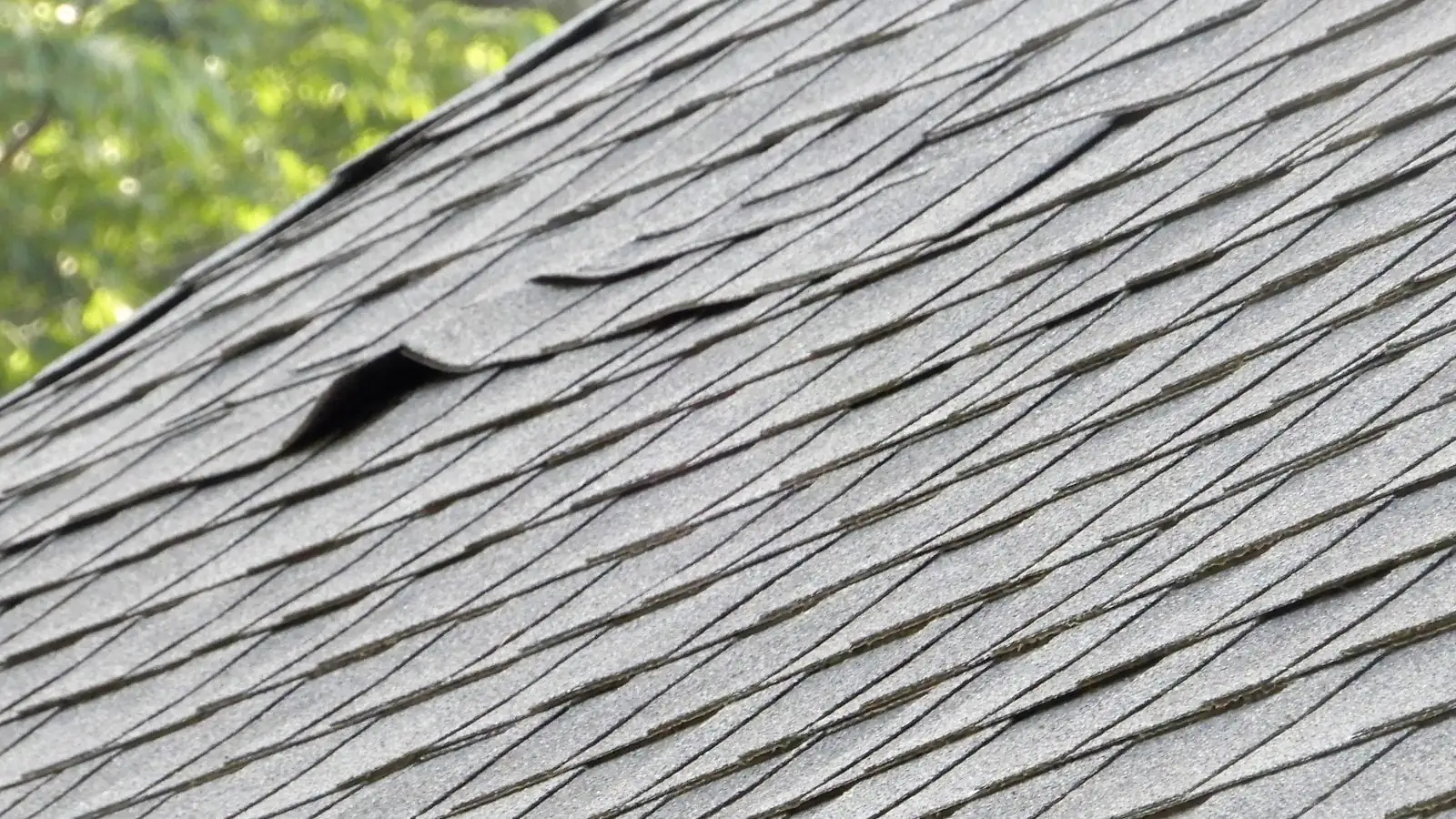
Storm damage rarely starts as a dramatic event inside the house. More often it begins outside, with a clogged gutter, a loose flashing or a lot that slopes the wrong way. A few hours of checking before storm season can keep water out of a Sandusky, OH basement or attic. This guide is a working checklist that you can walk through in a weekend.
Nothing here prevents every loss. Wind-driven rain off Lake Erie can find any weakness, and a flood from rising water is a different problem from a leak. The point is to remove the easy openings first.
Start outside: roof, gutters and downspouts
Water from the roof should leave the house quickly and land away from the foundation. Clear leaves and debris out of every gutter, flush them with a hose and watch where the water goes. Check that downspouts discharge several feet from the house, and add extensions if they drop water right at the wall.
Look at the roof from the ground, and use binoculars if you have them. Missing shingles, lifted edges and bent flashing around chimneys and vents are the usual entry points. Roof repair is a roofing trade, not a restoration one, so book a roofer for anything you find. What we handle starts after water gets in, as described on the storm water damage cleanup page.
Look at grading and the foundation
Soil should slope away from the house so surface water runs off rather than toward the wall. Look for low spots where water pools after rain, cracks in the foundation and gaps around pipes or window wells. Fill low areas with compacted soil and clear window wells of leaves.
The basement and sump pump
If you have a sump pit, lift the float, confirm the pump starts and confirm the discharge pipe sends water away from the house. Check that the pit is clean and the check valve works. Test the pump a few times a year and always before storm season.
A pump needs power. Ask about a battery backup or a water-powered unit if your area loses power in storms. Keep valuables off the basement floor and store papers in sealed bins on shelves. If water does collect, the steps are explained on the basement water damage page.
| Task | When | Why it matters |
|---|---|---|
| Clean gutters and downspouts | Spring and fall | Overflow soaks fascia and foundation |
| Extend downspouts | Once, then check yearly | Moves water away from the basement wall |
| Test sump pump and backup | Spring and before storms | Catches failure before water arrives |
| Check roof flashing and shingles | Spring and after big winds | Finds entry points early |
| Locate main water and electrical shutoffs | Once, label them | Saves time in an emergency |
| Photograph rooms and valuables | Yearly | Speeds an insurance claim later |
Know your shutoffs and your plan
Find the main water valve and the electrical panel now, and show everyone in the household. Label them. A flashlight, a phone charger and a list of contacts belong near the panel. Keep a printed copy of your insurer's claim number and the dispatch number, because phones can die and the internet can fail during a storm.
Stay out of storm water that touches electricity
Do not enter a flooded basement if water reaches outlets, cords or the panel. Cut power at the breaker only if you can reach it from dry ground. Otherwise call the electric utility or 911. Storm water can also carry sewage and chemicals, so wear boots and gloves if you must walk through it.
Insurance and documentation before the season
Read your policy and write down your deductible. Ask about water backup and flood coverage, because standard policies often exclude both. The Ohio Department of Insurance notes that flood insurance is typically bought separately and usually has a waiting period. Photograph each room and your valuables, and keep the files somewhere safe outside the house.
Local note for Sandusky and Huron
Sandusky sits on Lake Erie at the mouth of Sandusky Bay, and Huron sits at the mouth of the Huron River. Wind off the lake can drive rain sideways into window and wall openings, and low ground near the shore or river can collect water during heavy rain. Check your address on the FEMA flood map and ask the City of Sandusky building division or the City of Huron which rules apply.
The service area page lists the towns on our dispatch line, and the Huron page explains how calls from the east are handled when weather closes in.
What to do the day after
Once the storm passes and it is safe, walk the house and the yard. Photograph everything before you move it. Dry what you can reach and call for help on anything that stays wet. Water that sat for a day is still within the window where drying works well. After that, damage spreads quickly.
If water entered through a roof or wall, a crew will trace its path, extract it and dry the cavities. For deeper water, read flood damage cleanup for how contaminated water is handled. The dispatch line runs 24 hours a day if you need to talk it through.
Questions about storm preparation
Walk the outside. Clear gutters and downspouts, look at the roof edges and flashing, and make sure the ground slopes away from the foundation. Then test the sump pump if you have one.
Flood coverage is usually a separate policy with a waiting period. If your address is near the lake, bay or river, ask your insurer about it well before a storm is forecast.
It can. Storms often cut power, which is when sump pumps matter most. A battery or water-powered backup keeps the pump running during an outage. Test it on a schedule.
Stay safe first. Keep out of water that reaches outlets or the panel, move valuables up, photograph the damage and call the 24/7 line when it is safe.
Storm water inside?
Call the 24/7 line and describe the openings and the wet rooms.