
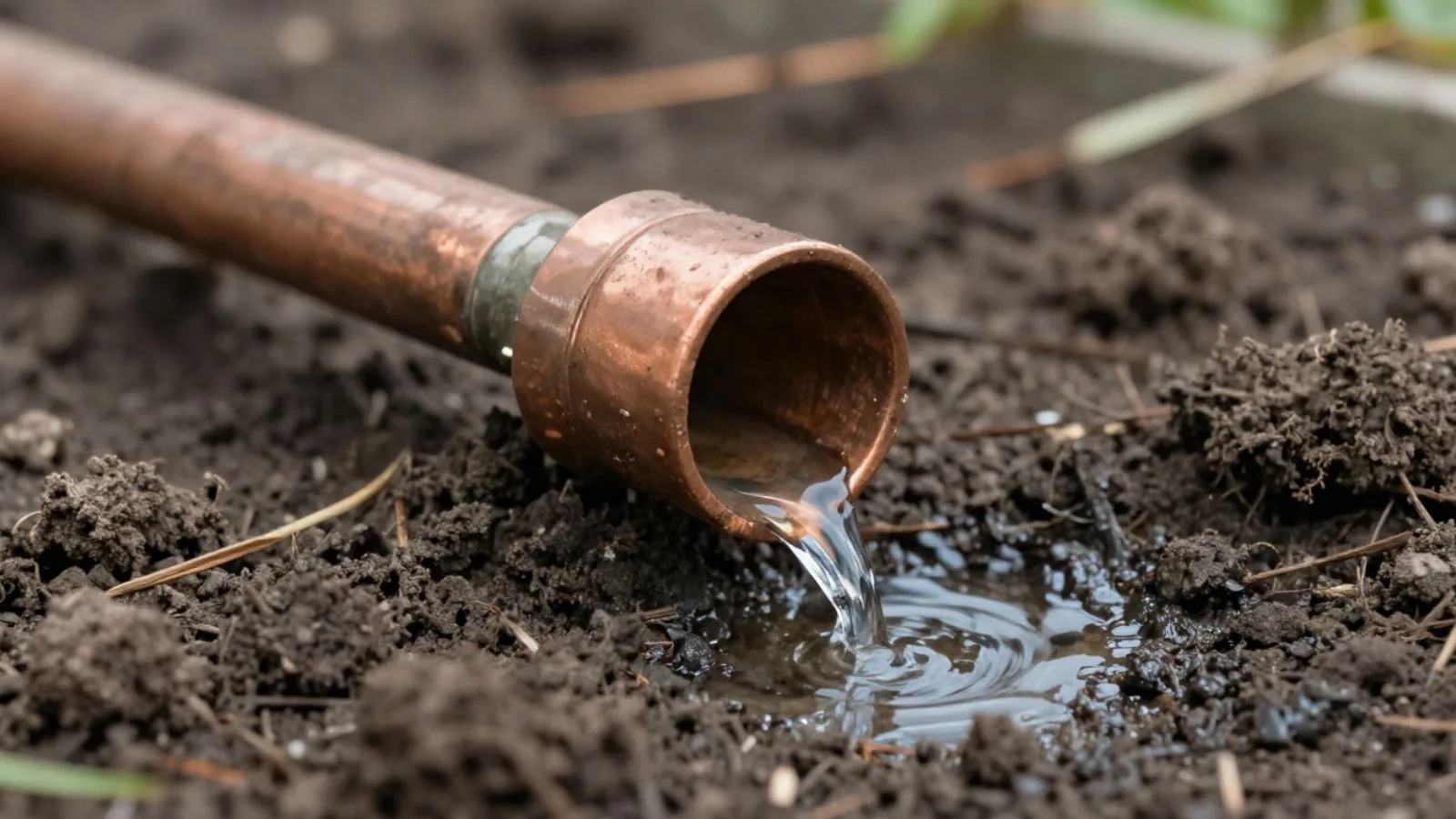
Water damage does not arrive on a random schedule. In northern Ohio, the same few failures show up in the same seasons, driven by freezing temperatures, lake-effect weather and the stress that appliances and cooling systems face during humid months. Knowing the pattern lets you check the right things at the right time. This guide walks through the calendar for Sandusky, OH homes.
Winter: frozen lines and ice at the roof edge
Cold is the biggest driver of winter loss. Water expands when it freezes, and a pipe in an unheated wall, an exterior hose bib or a garage supply line can split. The damage often shows up after a thaw, when ice melts and the split pipe starts to run. The steps are covered on the frozen pipe water damage page.
Ice dams are the second winter problem. Heat escaping from the attic melts snow on the roof, the meltwater runs down to the cold edge and refreezes into a ridge. Water then backs up under shingles and drips into ceilings and walls. Better attic insulation and ventilation reduce them, and raking snow from the roof edge can help.
- Insulate pipes in exterior walls, attics, crawl spaces and garages
- Disconnect and drain outdoor hoses before the first hard freeze
- Keep the thermostat on in vacant rooms and on trips
- Learn where your main shutoff is before the cold arrives
Spring: thaw, rain and groundwater
Spring combines melting snow with heavy rain. Soil that is still frozen cannot absorb water, so it runs toward the foundation. Basements leak at floor-wall joints, window wells fill and sump pumps run constantly. Cracks that opened over winter let water in where nothing leaked last year.
Check the sump pump, clear gutters and make sure downspouts discharge away from the wall. If water is already in the basement, see basement water damage cleanup for the first steps and the drying plan.
Summer: storms, cooling systems and appliances
Summer brings thunderstorms, and wind-driven rain off Lake Erie can find openings at roofs, windows and siding. Humidity also climbs, which stresses air conditioners. A clogged condensate drain can overflow and soak a ceiling or an attic floor, which is described on the AC leak water damage page.
Summer is also when washing machines, dishwashers and refrigerator ice-maker lines are used heavily. A hose that has aged for years can fail at any time. Replace rubber supply hoses with braided ones, and check them every year or two. A failed hose is a common cause of appliance leak water damage.
Fall: leaves and preparation
Fall is the quiet season that sets up the next two. Clogged gutters fill with leaves and overflow in the first cold rains. Outdoor spigots need to be shut off and drained. Furnaces start running again, and any leaking water heater is easier to spot now than in January. Fall is the best time to do the checks that prevent winter damage.
| Season | Typical problem | A check that helps |
|---|---|---|
| Winter | Split pipes, ice dams | Insulate pipes, seal attic leaks |
| Spring | Basement seepage, sump overload | Test pump, extend downspouts |
| Summer | Storm leaks, AC overflow, hose failures | Clear condensate drain, replace old hoses |
| Fall | Clogged gutters, outdoor spigots | Clean gutters, drain hoses and bibs |
Electrical safety in every season
Water and electricity are a dangerous mix at any time of year. Do not stand in water near outlets, a panel or a sump pump cord. Shut off power only from a dry position, and call the utility or 911 if you cannot reach the panel safely.
Local note for Sandusky and Huron
Lake Erie shapes the local calendar. Lake-effect snow can fall heavily along the shore, and storms can come off the lake with little warning. Homes close to the water and older houses on the original Sandusky street grid can have uninsulated exterior walls and crawl spaces, which makes them more exposed to freezing and moisture.
Huron sees the same weather, and our Huron page explains how calls from there work. For the full list of towns, see the service area page.
What to do when a seasonal problem becomes a loss
If water is already spreading, the first move does not change by season. Shut off the water source if you can, keep clear of electrical hazards, photograph the damage and call the 24/7 line. Fast water extraction limits how far the damage goes, and measured drying finishes the job. A restoration crew works the same way in January as in July. What changes is the source, and the pages in the services index are organized around that.
Keep a short list on the fridge: the location of your shutoff, the dispatch number and your insurer's claim line. A few minutes of preparation in each season is a small cost next to a flooded floor. Write the date of each check on a calendar so the routine becomes a habit rather than a one-time project.
Questions about seasonal water damage
It varies by type. Winter brings frozen pipes and ice dams, spring brings thaw and rain, and summer brings storms and appliance or cooling system leaks. Fall brings clogged gutters.
Insulate exposed pipes, seal drafts near them and let a faucet drip during hard freezes. Keep cabinet doors open on exterior walls and keep the heat on if you leave.
It is a ridge of ice at the roof edge that traps meltwater behind it. The water backs up under shingles and can leak into ceilings and walls.
It is a reasonable precaution, especially for a vacant or seasonal home. Shut the main, drain lines where appropriate and ask a plumber for advice on your system.
Seasonal leak or storm?
Call the 24/7 line and tell the dispatcher what changed.