
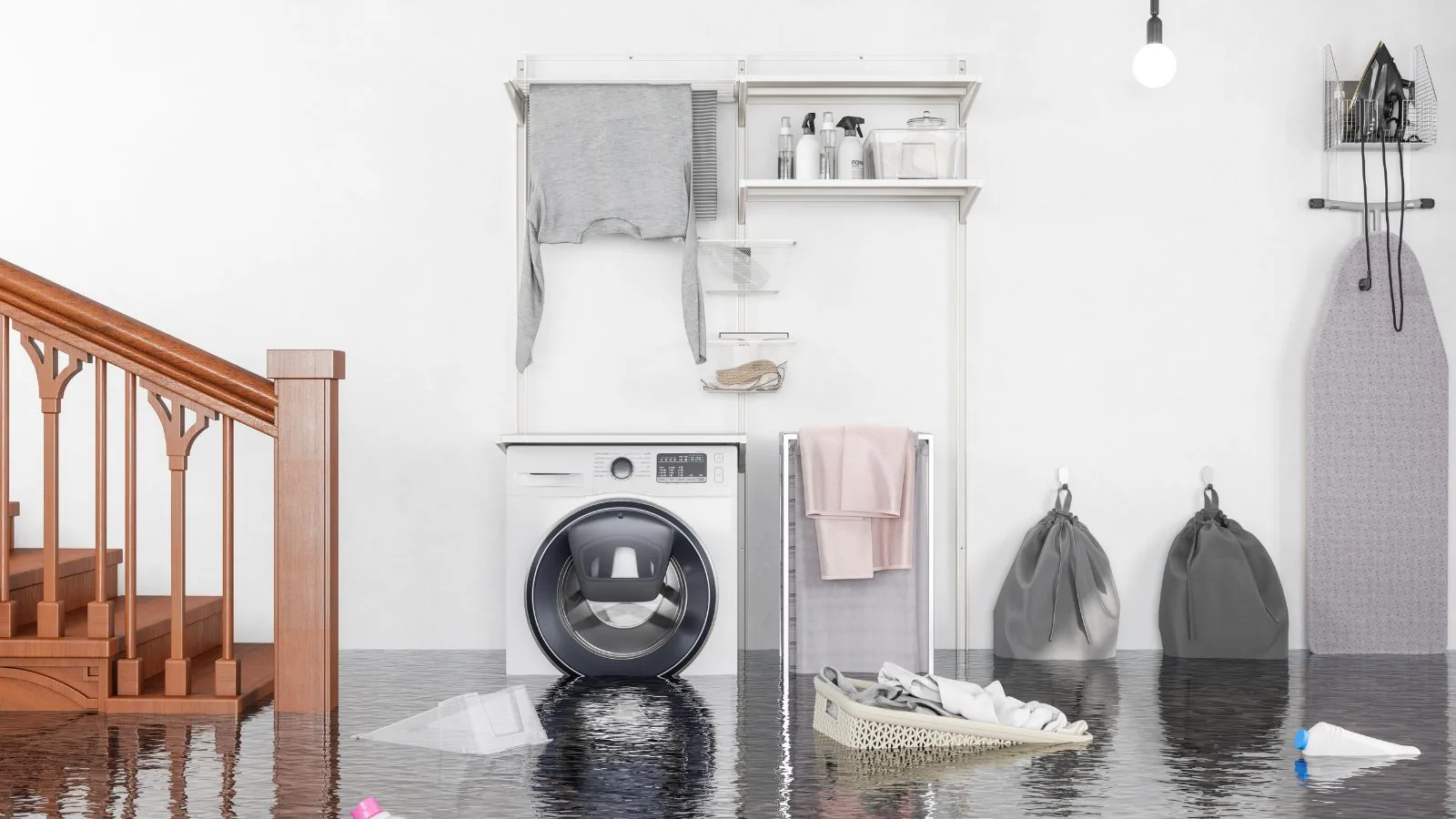
A washing machine hose weeps onto the laundry room floor, a ceiling stain appears under a bathroom or a dishwasher leaks into a cabinet. The damage is real, but small, and you have to decide whether to call your insurer. It is a financial and practical decision with no single right answer. This guide lays out the factors for Sandusky, OH homeowners so you can decide with clear eyes.
We are not insurance agents, and this is not insurance advice. Your policy and your insurer set the rules.
Start with your deductible
The deductible is the amount you pay before insurance pays anything. If the repair costs less than your deductible, a claim will pay nothing, and the claim may still appear in your history. Find your deductible on your policy declarations page, and check whether water claims use a different deductible than other losses.
Then estimate the full cost of the repair, including drying, removed materials and rebuild. Small leaks that are caught quickly are often dried in a day or two and repaired with minor work. Larger leaks can reach hidden cavities and grow quickly. Get the scope explained before deciding, so you know which kind of leak you have.
| Question | If yes | If no |
|---|---|---|
| Is the repair cost well above the deductible? | Filing may make sense | You may pay the repair yourself |
| Is the cause sudden and accidental? | Coverage is more likely | Gradual leaks are often excluded |
| Is the damage still spreading? | Dry and document right away | Fix the source and monitor |
| Have you filed other claims recently? | Another claim may affect renewal | Less concern about history |
| Is there hidden damage possible? | Get a moisture survey first | Document and repair |
How a claim can affect you
Insurers may consider claim history when pricing a policy or deciding to renew it. A single small claim does not always change anything, but several in a short period can. Some insurers also share claim data with industry databases that other insurers see when you shop for coverage. Ask your agent how your insurer treats a water claim, and whether reporting a loss without filing it is recorded.
This is a reason to find out the facts before you call, not a reason to hide a loss. If a leak is hidden and later grows, a delay in reporting can create trouble with coverage. Policies commonly require you to protect the property and report losses in a timely way.
Cause matters as much as cost
Sudden events such as a pipe bursting or an appliance hose failing are more likely to be covered than slow leaks and maintenance problems. If you found a small drip that has probably been running for weeks, coverage is less likely. Information about causes is on the pages for appliance leak water damage and water heater leaks.
Protect your options either way
- Photograph the damage and the source before anything is moved
- Stop the water and dry the area right away
- Keep the failed part and every receipt
- Write down dates and what you did
- Ask your insurer questions before you decide to file
Do not skip the drying
Whether you file or not, dry the area. A small leak that is left damp is how a small repair becomes a large one. Wet drywall, insulation or subfloor can hold water for days, and EPA guidance says water-damaged areas should be dried within 24 to 48 hours to prevent mold growth. A short visit with moisture readings can show whether the damage is limited to the surface or has traveled into a wall.
For small losses, a crew may only need to extract water, set a few air movers and a dehumidifier and check readings for a couple of days. For hidden damage, the wall and drywall repair page describes when materials need to be opened. The structural drying page explains the equipment.
Local note for Sandusky and Huron
In older Sandusky homes, supply lines, drains and appliance hookups may be original or poorly documented, so a small leak can have a larger story behind it. A moisture survey shows whether water has traveled behind plaster or under old flooring.
If you are in Huron or elsewhere in Erie County, the process is the same. The service area page lists the towns on the dispatch line, and the Huron page covers the east side. The Ohio Department of Insurance is the state agency to contact with questions about how insurers handle claims.
A simple decision path
- Stop the water and photograph the damage.
- Find out how big the damage is, including anything hidden.
- Compare the likely repair cost with your deductible.
- Ask your insurer how reporting and filing affect your policy.
- Decide whether to file, and keep records either way.
If you want help with step two, call the 24/7 line. A crew can take readings and explain what is wet, so you decide with real numbers instead of guesses.
Questions about small claims
Not every leak, but many policies require prompt notice of a loss you intend to claim. Read your policy, and ask your insurer whether reporting a possible claim has consequences before you file.
It can. Insurers look at claim history when setting rates and deciding whether to renew. Ask your agent how a water claim might affect your policy before you decide.
Then a claim would pay nothing, and it could still go on your record. Many people pay small repairs themselves and save the claim for larger losses.
Yes. Unaddressed moisture leads to larger repairs and mold. Dry the area promptly regardless of whether you file, and keep records in case you change your mind.
Want to know the scope first?
Call the 24/7 line and ask how the scope and price would be set for your leak.