
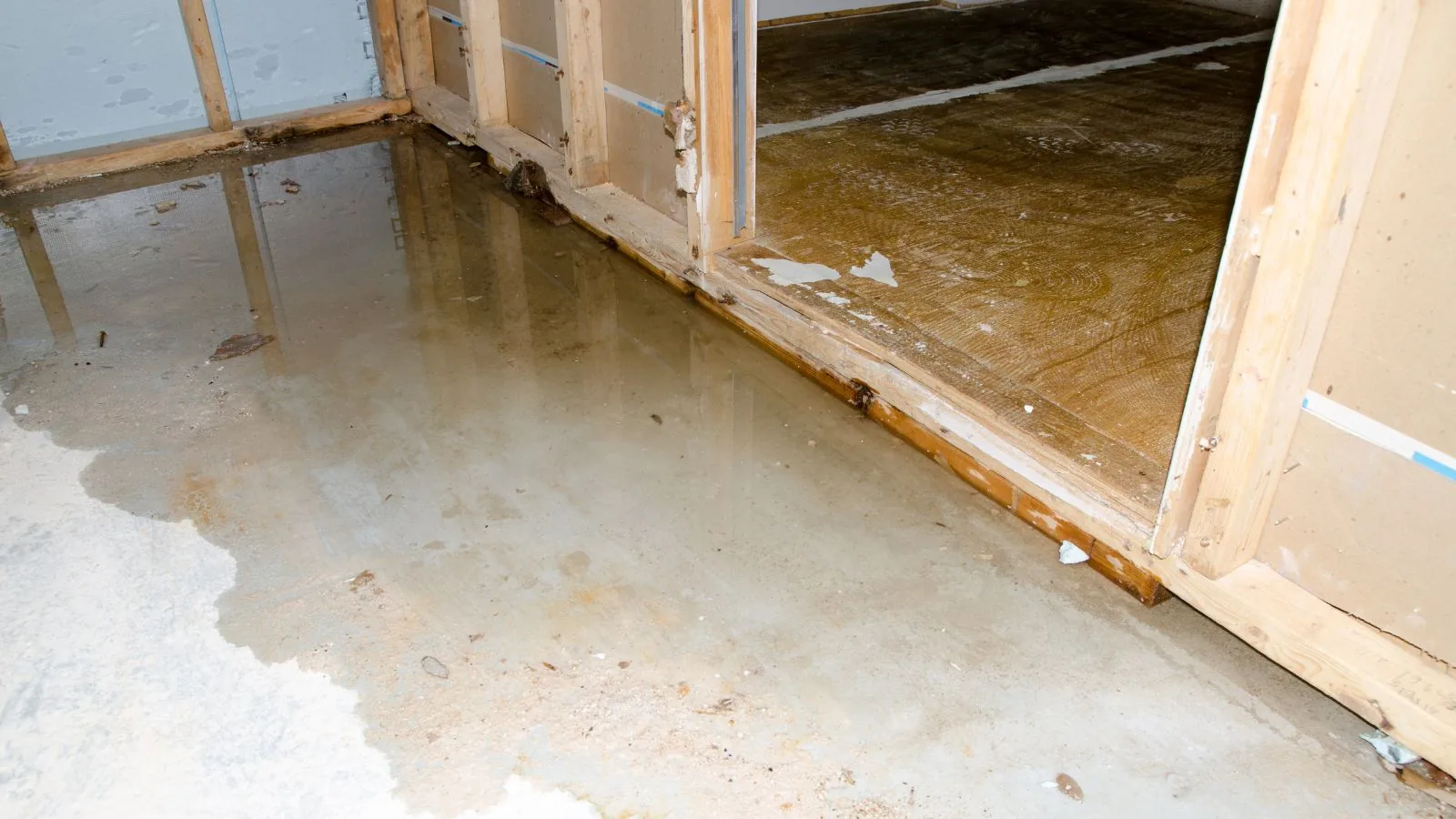
When a crew arrives, one of the first things they decide is what kind of water they are dealing with. That choice drives safety gear, what gets thrown away, what gets dried and how long the job runs. The published industry reference is ANSI/IICRC S500, and it defines three categories of water and four classes of damage. This guide explains them in plain words for Sandusky, OH homeowners.
Category 1: clean water
Category 1 water comes from a sanitary source and poses little risk at the moment it is released. Typical examples are a burst supply line, a leaking faucet, a failed water heater tank or an overflowing sink with clean water. Porous materials such as carpet and drywall can often be dried in place if the response is quick.
Category 2: gray water
Category 2 water has some contamination and can cause illness if people are exposed. Typical sources are washing machine or dishwasher discharge, toilet overflow with urine but no feces, sump pump overflow and aged water from Category 1 that has started to deteriorate. Porous materials such as carpet pad are often removed, and hard surfaces are cleaned and sanitized.
Category 3: black water
Category 3 water is grossly contaminated and may contain pathogens. Sewage backups, toilet overflow with feces, floodwater from rivers or the lake and standing water that has supported growth belong here. Porous materials that touched it are generally discarded, and the structure is cleaned and disinfected with protective gear. The detailed steps are on the sewage backup cleanup page and the flood damage cleanup page.
| Category | Typical sources | What usually happens to porous materials |
|---|---|---|
| Category 1 | Supply line, tank, faucet | Often dried in place if handled quickly |
| Category 2 | Washer or dishwasher discharge, aged supply water | Pad and insulation removed, rest cleaned and dried |
| Category 3 | Sewage, floodwater, surface water | Removed and discarded, structure disinfected |
Do not memorize the list. The point is that you can describe the source to a dispatcher, and the dispatcher helps you work out the category.
Water changes category as time passes
A clean water leak does not stay clean. Bacteria multiply in standing water, and materials add contaminants. A supply line break that sat for several days can behave like Category 2, particularly in warm weather or in a damp basement. This is one more reason the response window matters, alongside the EPA's guidance that water-damaged areas should be dried within 24 to 48 hours to prevent mold growth.
Classes of damage: how much water the materials hold
Class describes the evaporation challenge, which is how much water was absorbed and how easily it will leave. S500 sorts losses into four classes.
| Class | What it means | Example |
|---|---|---|
| Class 1 | Slowest evaporation load, least absorption | A small area with low-permeance materials |
| Class 2 | Large area, water wicked up walls less than 24 inches | A room of wet carpet and wet lower drywall |
| Class 3 | Water came from above, saturated most surfaces | Ceiling, walls, insulation and carpet all wet |
| Class 4 | Deep saturation in dense materials needing special drying | Hardwood, plaster, concrete or brick |
Class and category are independent. A Class 2 loss can be Category 1 or Category 3. A crew needs both facts to plan drying and cleaning. Dense materials such as hardwood and concrete are why some jobs take longer, as described on the structural drying page.
When you cannot tell what the water is
Treat unknown water as contaminated until a professional says otherwise. Wear boots and gloves, avoid skin contact, keep children and pets out and wash well afterward. Never mix cleaning products, and keep away from water near electrical equipment.
How a crew determines the category
The crew asks where the water came from, how long it has been there and what it has touched. They look at the water's color, smell and the materials involved. Test results or lab work are not usually needed for standard losses, but they may be used for unusual ones. The decision is documented so the plan and the safety steps can be explained to you.
You can help by describing the source accurately and not cleaning anything before the crew arrives. If you have already mopped, tell the dispatcher what you did and what you used.
Local note for Sandusky and Huron
In Sandusky and Huron, the most common surprises are basement water and drain backups. Heavy rain can overwhelm combined or older drains, and low-lying properties near the bay, river or lake may take on surface water. That water is generally treated as Category 3. Look up your address on the FEMA flood map and ask the City of Sandusky building division or the City of Huron about drainage conditions on your street.
The service area page lists the towns on our dispatch line, and the Huron page covers calls from the east.
Why the category matters to your wallet and your health
Higher categories mean more protective gear, more materials removed and more disinfection, which raises cost. They also change what is safe to keep. Clean-water carpet might be dried and saved. Black-water carpet is never saved. If your homeowners policy excludes flood or sewer backup, that exclusion usually applies to Category 3 events. The water extraction page describes the first step for any category.
Questions about water categories
It comes from a clean source such as a supply line, a faucet or a water heater tank. It is the least risky category when handled quickly, but it can degrade if left standing.
Not usually. Rain that enters through a roof or wall picks up dust, insulation and debris, and it is commonly treated as Category 2 or worse, depending on the materials it crossed.
Yes. Clean water that sits for a day or more can deteriorate toward Category 2 or 3, which is why speed matters.
Category describes how contaminated the water is. Class describes how much water the materials have absorbed and how fast they will release it. Both shape the plan.
Is your water clean or contaminated?
Call the 24/7 line and describe the source.