
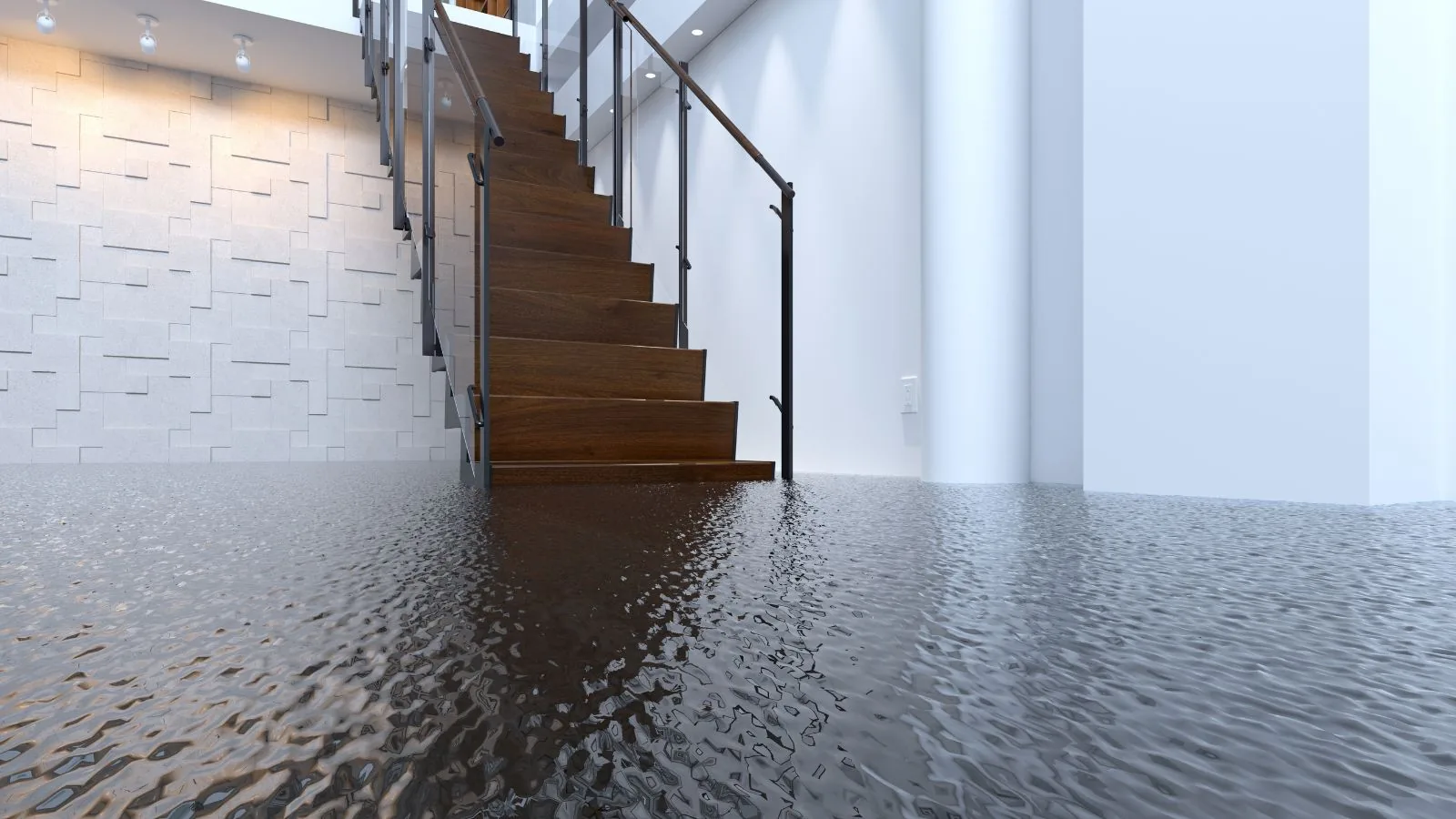
Downtown Sandusky sits at the head of Sandusky Bay on Lake Erie, and it is the oldest part of the city. The original plat of the town was laid out in 1816 by the surveyor Hector Kilbourne, when the settlement was still called Portland, according to the Ohio historical marker for the Kilbourne Plat. The streets here still follow that grid, with diagonal avenues cutting across it. When water gets into a building on these blocks, the dispatch line sends a crew that plans extraction and drying around what the building is actually made of.
Buildings of many eras on one grid
Downtown is not one housing type. Storefront blocks with apartments above stand next to older houses, mid-century buildings and newer infill. A real estate directory profile for the area it labels Downtown Sandusky (Killborn Plat) lists more homes built in 1939 or earlier than in any other period, and also counts homes from every decade since. That profile covers more ground than the original plat, so treat it as a rough picture rather than a survey.
Newer homes are part of the mix too. A 2023 city sale of former industrial lots on East Market Street produced new houses facing Shoreline Park on the bay, on land the city had cleaned up with a 2008 Ohio EPA brownfields grant. Age does not decide whether a building leaks. What it changes is the list of questions you should ask: what has been replaced, where the shutoffs are and what the walls and floors are made of.
What a leak does in a mixed-use block
Shared walls and stacked floors make a downtown leak a neighbor problem fast. A supply line that fails in an upstairs apartment can wet the ceiling of the shop below within minutes, and the shop owner may not know until the paint bubbles. Tell the dispatcher which floor the water started on and which spaces below or beside it are wet.
For businesses, the details that matter are inventory, records and how long a space can stay closed. The commercial water damage restoration page explains how a crew plans around operations. For stains and sagging overhead, see ceiling water damage repair.
If water is coming through a downtown ceiling
- Stay out from under a bulging or dripping ceiling, because wet plaster and drywall can fall.
- Treat light fixtures and outlets near the water as live. Cut power to that area only from a dry position.
- Close the shutoff valve for your own unit or fixture if you can reach it safely, and tell the building manager.
- A gas smell means everyone leaves and someone calls 911 from outside.
Water that comes from outside
Sandusky's low shoreline setting is part of the picture, but documented flooding here is specific. A local-history account of June 1937, based on the Sandusky Register, reports nearly six inches of rain in 24 hours, with the railroad subways at Hayes Avenue, Camp Street, Columbus Avenue and Tiffin Avenue flooded and the city cut off for a time. That is one recorded event on four underpasses. It says nothing about any single downtown building, and it is not a forecast.
Neighborhood-specific FEMA flood-zone status not verified for the downtown blocks. Look up your address on the FEMA Flood Map Service Center and ask the City of Sandusky building division what applies to your lot. If water does rise into a building, flood damage cleanup explains why that water is handled as contaminated.
How the work goes once a crew is there
The first job is getting standing water out, which is covered under emergency water extraction. Then moisture meters and thermal imaging find where water traveled, and air movers and dehumidifiers dry the structure with daily readings, as described on the structural drying page. Plaster, brick and old wood dry at different speeds, so a crew uses readings rather than a calendar.
Records for tenants, owners and insurers
Photograph the damage before anything is moved and keep receipts. Moisture readings and equipment logs from the crew can support your claim record. Whether a policy pays depends on the cause of the loss and its terms, so read your policy and ask your insurer. A tenant's policy and the building owner's policy usually protect different things.
Local note for downtown Sandusky
The National Register of Historic Places lists a small Columbus Avenue Historic District, covering 102 to 162 Columbus Avenue with eight contributing buildings, added in 1983. If your building is old or listed, ask the city planning and building staff whether replacing original finishes needs review before repairs begin, so a drying plan and a repair plan do not collide.
The waterfront at the eastern edge of downtown has its own page on Battery Park, and the residential streets east of downtown are covered under the East Side page. The full list of towns on the line is on the service area page, and you can start from the Sandusky homepage.
Cost factors for a downtown job
The water category, the area wet, the materials involved and the drying time set the price. Multi-floor buildings add access and monitoring, and tenant coordination can add steps. Before any work begins, the crew walks you through the scope and what it will cost.
Questions from downtown Sandusky owners and tenants
Close the valve to your own fixture if you can reach it safely, tell the building manager and then call the dispatch line. The manager and the owner's insurer decide how the building side is handled, and your renter's policy may cover your belongings. Photograph everything on both floors.
Mostly it changes how you describe where you are. The older grid has diagonal avenues and tight blocks, so give two cross streets and the entrance to use. Alley access and loading areas matter for pumps and hoses.
Neighborhood-specific FEMA flood-zone status is not verified for downtown. Flood maps are drawn property by property, so look up your own address on the FEMA Flood Map Service Center and ask the city building division what applies to your lot.
Not by itself. Age tells you to ask what has been replaced and where the shutoffs are. A moisture reading after a leak says far more about the damage than the year the building went up.
Often a crew can section off the wet area and dry it while the rest stays open, depending on the water category and the layout. The plan is explained before work starts, including what must stay closed.
Only your insurer does. A crew keeps photographs, moisture readings and equipment logs that you can hand over, and coverage depends on the cause of the loss and your policy terms.
Downtown Sandusky on the map
Leak in a downtown building?
Call the line, name the cross streets and the floor, and say whether other units are wet.